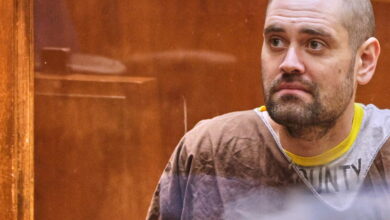
A defendant named in a high-profile sexual assault lawsuit filed by a former Cornell University student has asked a judge to dismiss the claims against him, arguing that the allegations do not support broader accusations of rape and sexual assault.
Diego Sarabia, a former member of the Chi Phi fraternity, filed a motion Friday seeking the dismissal of all claims against him. Sarabia is one of seven men originally sued by the plaintiff, identified as Jane Doe, for allegedly participating in a gang rape at the fraternity house between Oct. 19 and 20, 2024. The lawsuit was filed Sept. 16 in a New York state court.
In the court filing, Sarabia denies the allegations. His attorneys argue that even if the complaint’s factual assertions are accepted as true for the purposes of the motion, the claims were filed too late, are legally insufficient, or both.
James C. Knox, an attorney representing Sarabia, wrote in the motion that regarding the allegations against his client, the matter is essentially about a forced kiss. Knox contended that the conduct attributed to Sarabia did not qualify for the extended statute of limitations cited in the complaint for certain sexual offenses.
Doe’s complaint accuses Sarabia of grabbing her face, kissing her, and snorting ketamine off her body alongside other fraternity members during a drug- and alcohol-fueled encounter inside a space known as the alumni room at the fraternity house.
Knox criticized the structure of the legal filing, noting that throughout a sprawling document nearing 600 paragraphs, the plaintiff repeatedly and collectively accuses seven student defendants of sexual assault and rape without sufficient individual differentiation. He argued that those legal conclusions do not substitute for specific pleaded facts.
Furthermore, Knox maintained that the complaint failed to allege that Sarabia supplied the plaintiff with drugs or alcohol, participated in any of the other sexual encounters described elsewhere in the complaint, or was present for the majority of the conduct forming the basis of the broader allegations. He asserted that claims of assault, battery, and intentional infliction of emotional distress are barred by a one-year statute of limitations.
Thomas Giuffra, an attorney representing Jane Doe, declined to comment. Giuffra previously agreed to withdraw claims against the acting president of the fraternity’s chapter at the time.
The lawsuit has sparked widespread campus and community protests, including a demonstration at the Ithaca Commons on Oct. 13, and prompted intense scrutiny of Cornell University’s handling of campus safety. In response to mounting criticism from students and community members alleging that the administration failed to protect women from sexual assault, Cornell’s Board of Trustees hired former Deputy Attorney General Sally Yates to conduct a comprehensive independent review of how the university prevents and responds to sexual misconduct.
Doe’s initial allegations were investigated by the Cornell University Police, and an internal civil rights investigation resulted in the expulsion of two students alongside disciplinary action against others. However, Tompkins County District Attorney Matthew Van Houten declined to bring criminal charges in November 2024, citing a six-page statement in which Doe described some of the sexual conduct that night as consensual. Van Houten declined to evaluate other investigative materials gathered by investigators, including additional witness statements.
Following criticism from Governor Kathy Hochul, who called the local evaluation inadequate, the state appointed New York Attorney General Letitia James as special prosecutor to investigate the allegations. James’ office has initiated that process and is expected to hire outside investigators.
Legal challenges have emerged regarding the state probe, with two of the accused men seeking to disqualify Attorney General James from overseeing the investigation. They cite a social media comment she made about the case prior to her appointment, arguing she has prejudged the matter. Both challenges remain pending. James has deflected calls to step down, stating she remains committed to leading a comprehensive investigation guided strictly by the facts, evidence, and law.