Catholic Bishops Issue Apologies Over Controversial Trump Photograph Amid Shifting Political Dynamics

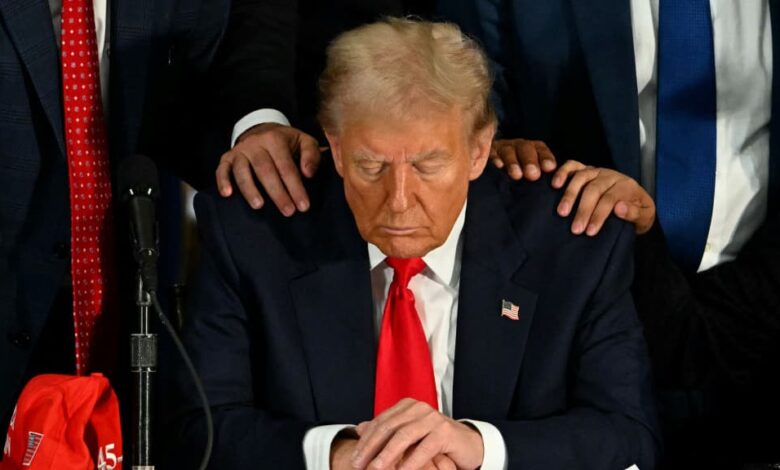
American Catholic bishops have issued public apologies following a controversial photograph involving Donald Trump, highlighting a growing friction between church leadership and the administration. The incident has drawn sharp attention as political dynamics among American Catholics show signs of shifting.
Observers note that while the white Catholic vote has reliably aligned with Republicans and Donald Trump in recent years, disaffection appears to be growing among members of the faith. This sentiment is amplified by the prominence of Pope Leo, an American pontiff from Chicago whose widespread popularity has resonated strongly with U.S. Catholics. Meanwhile, ongoing disputes between Trump and the Vatican have left segments of the American Catholic population increasingly frustrated.
Beyond symbolic imagery and political sparring, Catholic leaders across the United States have raised substantive concerns regarding several administration policies, most notably concerning immigration and foreign affairs. These policy disagreements have occasionally broken out into direct institutional statements from high-ranking clerics.
In January, three prominent American cardinals issued a joint statement addressing the morality of U.S. foreign policy, an intervention described as rare. Archbishop of Chicago Blase Cupich, Archbishop of Washington Robert McElroy, and Archbishop of Newark Joseph Tobin signed the document, which evaluated military actions and geopolitical tensions in Venezuela, Ukraine, and Greenland.
The cardinals argued that developments in these regions raised fundamental questions regarding the use of military force and the true meaning of peace. They cautioned that the construction of a just and sustainable peace was being diminished into partisan categories that ultimately fostered polarization and destructive policies.
That joint declaration reinforced earlier remarks delivered by Pope Leo that same month. During those addresses, the pontiff cautioned international actors against relying on a diplomacy grounded primarily in force, aligning the Vatican’s moral messaging directly with the domestic concerns raised by the American episcopate.