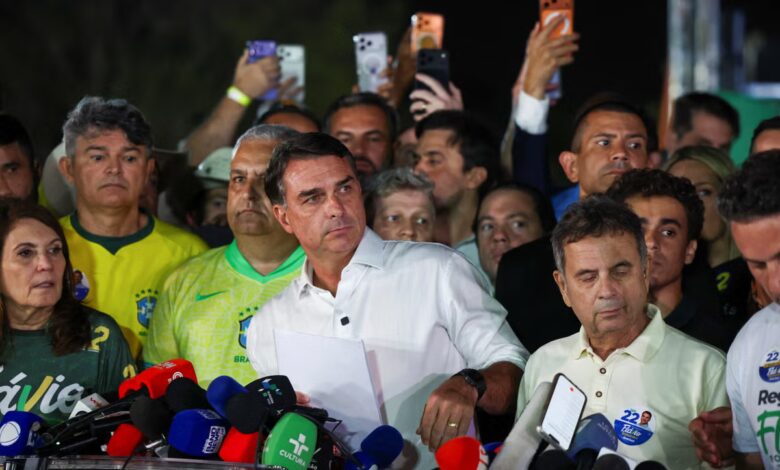
Senator Flávio Bolsonaro, a prominent far-right figure and son of the former president, has formally refused to concede defeat in Brazil’s presidential election, plunging the nation’s political landscape into immediate uncertainty. The announcement came shortly after official results confirmed that leftist Luiz Inácio Lula da Silva has secured an historic fourth term following one of the closest electoral contests in the country’s history.
With 100 percent of the votes tabulated, the 80-year-old Lula emerged with 51.79 percent of the share, narrowly defeating his 45-year-old rival who garnered 48.21 percent. The margin of victory amounted to more than 4 million votes. While analysts pointed to a high voter turnout as a decisive factor in Lula’s success—coming on the eve of his 81st birthday—the Bolsonaro camp has signaled its intent to fight the outcome in the courts.
At the center of the dispute is a petition from Senator Bolsonaro to have the results annulled. He cited a decision by a Lula-appointed Supreme Court justice to extend voting hours by two hours due to transport irregularities. Speaking to journalists following the tally, Bolsonaro argued that the circumstances made it “impossible to recognize the election results.”
However, the legal challenge faces significant hurdles. Observers noted an inherent contradiction in the Bolsonaro campaign’s position, as his own team had also petitioned for voting extensions in the conservative-leaning southern regions of Brazil due to heavy rainfall. Furthermore, political analysts suggest the 4-million-vote gap makes a successful annulment unlikely, though the refusal to concede could trigger widespread protests across a nation already grappling with deep skepticism regarding its judicial and electoral systems.
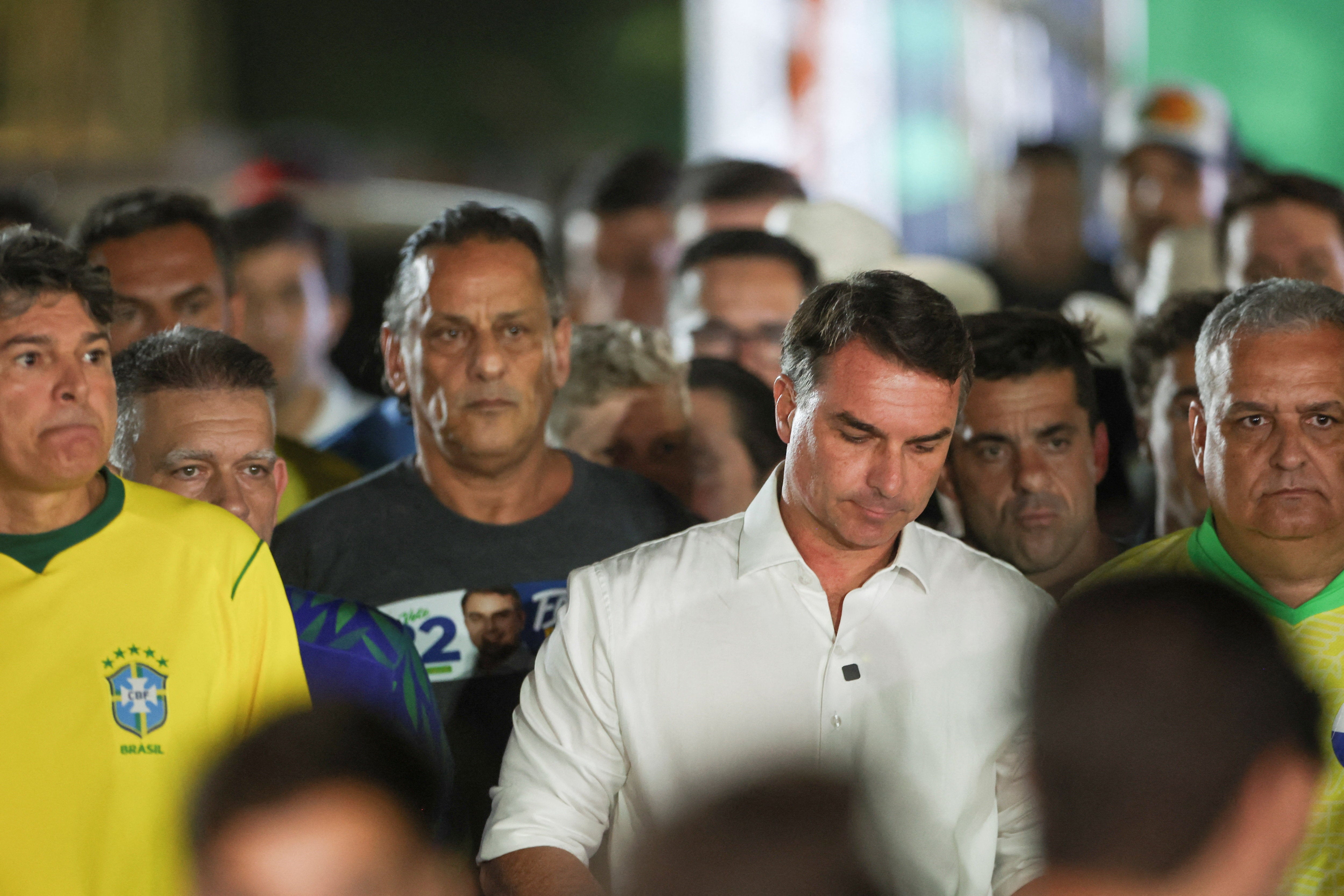
This election follows a period of extreme volatility for Brazilian democracy. Former president Jair Bolsonaro, who governed from 2019 to 2020, is currently serving a 27-year prison sentence for his role in plotting a coup after supporters stormed government buildings in 2022. The return of Lula to the presidency marks a significant shift in Latin American politics, halting a recent momentum for right-wing movements in the region.
Despite his victory, Lula faces a daunting governing environment. Brazil recently elected its most conservative Congress since the restoration of democracy in the 1980s. The Liberal Party and its allies are poised to control a combined 280 seats in the lower house and approximately 50 seats in the Senate, providing the opposition with the numbers needed to block the new administration’s agenda.
Lula addressed these challenges during a conciliatory victory speech at a hotel in São Paulo late Sunday night. “I won’t speak of national unity, because that doesn’t always fit the reality of this country,” he told supporters. “No one is obliged to like the elected president, but he was put in place to govern for everyone.”
The economy remains a primary concern for the incoming government. Official forecasts suggest growth of only 2.3 percent for the coming year, while public debt has climbed to 82 percent of the GDP—the highest level recorded since the pandemic. Financial markets reacted sharply to the news of Lula’s win; a Tokyo-listed exchange-traded fund that tracks Brazil’s Bovespa index saw a nearly 15 percent drop during Asian trading hours.
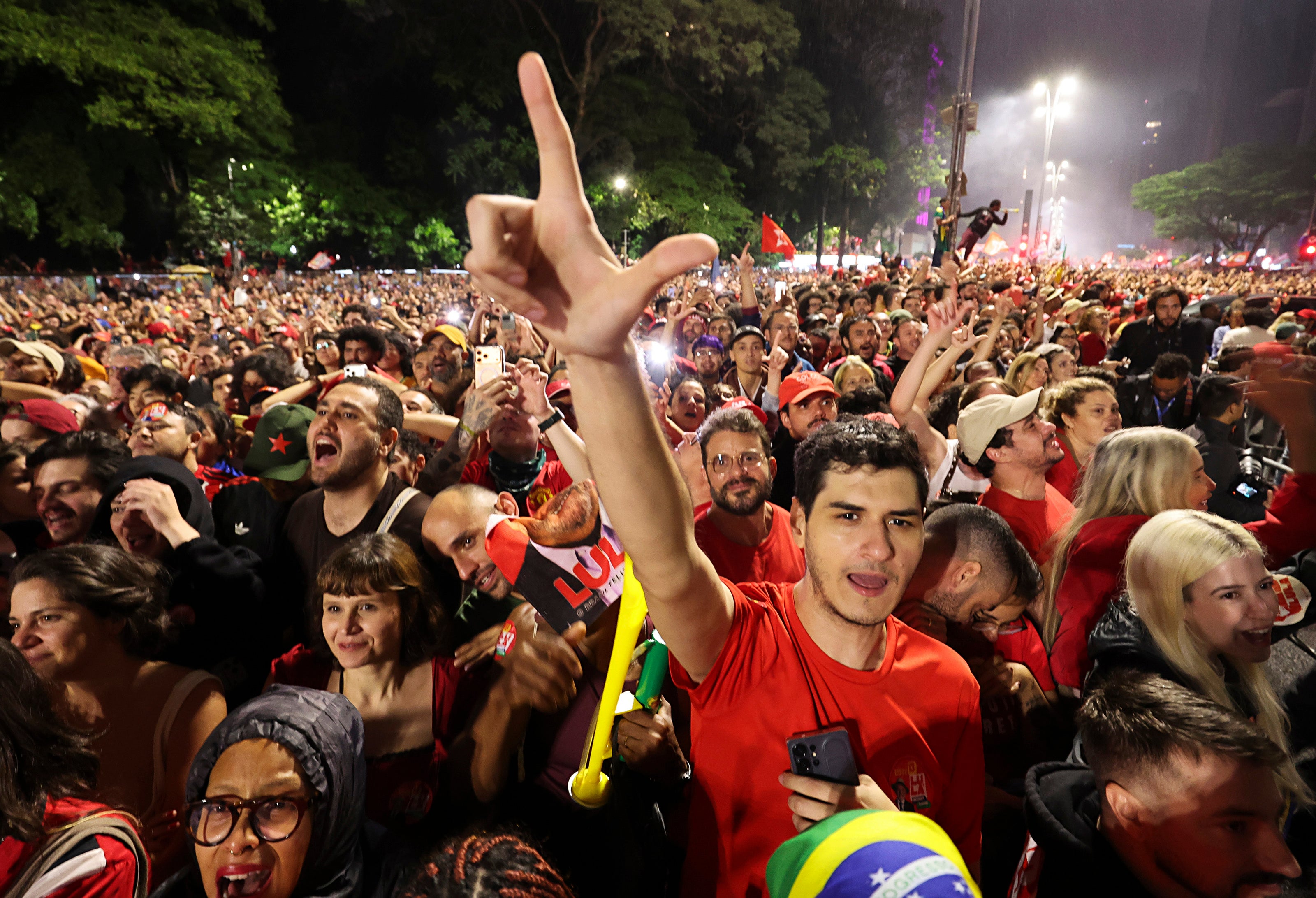
International reaction has been swift. Canadian Prime Minister Mark Carney emphasized the existing partnership between the two nations, stating, “Let’s seize this opportunity to make it even stronger, together—to create major new trade opportunities, protect the environment, and build greater prosperity for both our peoples.” Mexican President Claudia Sheinbaum also offered congratulations, declaring, “Long live democracy, the people of Brazil won.”
The transition comes amid reported disappointment from the Trump administration in the United States, whose State Department had actively campaigned for the return of the Bolsonaro family to executive power.