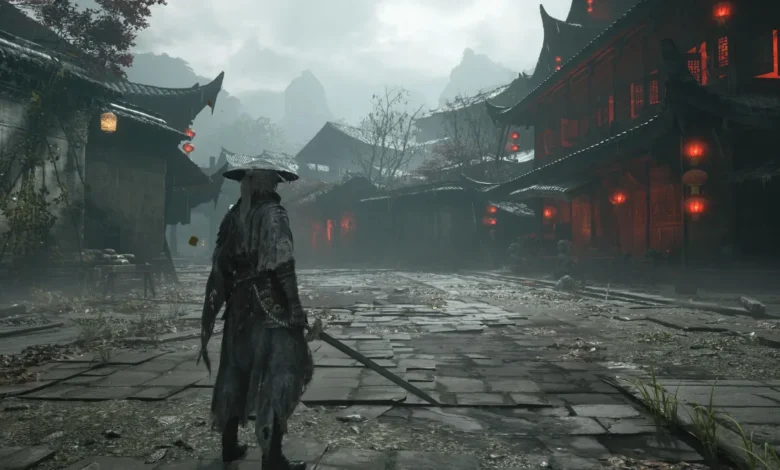
Developer S-Game is positioning itself as a formidable student of the action genre with its upcoming release, Phantom Blade Zero. More than forty hours into an ongoing review-in-progress, the title has proven to be an astounding achievement, shaping up as one of the best action games in recent memory. While a final scored verdict awaits the completion of story-critical side quests to unlock the most comprehensive ending, the core experience already places the title among esteemed genre predecessors like Devil May Cry, Elden Ring, Sekiro: Shadows Die Twice, and Bayonetta.
The game follows a quiet, stoic martial arts master named Soul. After being betrayed by the very Order to which he swore his life, Soul uncovers a villainous conspiracy to seize control of the blood-soaked Chinese martial underground known as Wulin. This narrative sets players against an expansive backdrop featuring puppets, secret sects, god-like creatures, and monstrous beasts prowling across diverse biomes. Although the Wuxia storyline is widely considered the weakest element of the package—relying on familiar narrative tropes and occasionally static dialogue exchanges—it still provides sufficient mystery and tension to propel the journey forward, bolstered by dramatic cutscenes and strong performances.
Production values remain high throughout the adventure, anchored by impressive animation and a detailed rendering of dark fantasy China. Close-up character models feature lifelike facial details, including porous skin textures and subtle lip quivers that complement the voice cast. While the English voice track features a few standouts, the protagonist’s performance has been described as dry, prompting recommendations to use the Chinese vocal track. Boss encounters draw clear inspiration from Chinese cinema, offering an immense sense of scale with nearly one hundred distinct boss fights featuring very few repeats outside of segmented challenge trials. Checkpoints placed directly between boss phases alleviate frustration by preventing players from having to replay earlier stages after a defeat.
Combat depth stands as a defining pillar of the experience. Every weapon functions uniquely, comparable to selecting a distinct character in a fighting game with dedicated movesets and abilities. Upgrading weapons through various tiers unlocks additional capabilities, while a mechanic called Soul Tempering adds a final game-changing perk. Fully upgraded weapons utilize the majority of controller inputs. Coupled with Phantom Edges—special limited-use tide-turning weapons—accessories, and diverse medicine types, the game offers hundreds or thousands of combat permutations. Players can experiment with build archetypes ranging from a drunken fighter whose range and damage fluctuate between sober, tipsy, and drunken states, to bleed builds, elemental storms utilizing lightning, wind, fire, and ice, and heavy Phantom Edge fists.
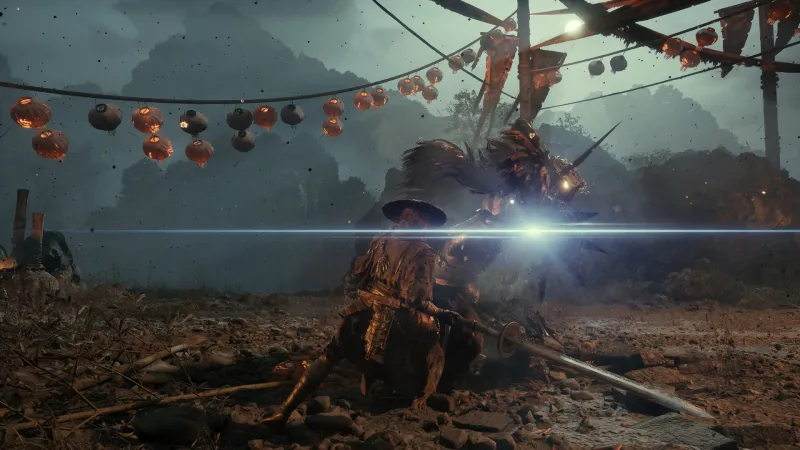
S-Game encourages experimentation by doling out generous upgrade materials and currency. Exploring the interconnected, open-area biomes yields consistent rewards, echoing FromSoftware’s architectural design philosophy with intricate shortcuts and rewarding optional paths. Despite its challenging bosses, interconnected world, and Phantom Bell checkpoints functioning similarly to bonfires, the game is explicitly not a Soulslike. Defeated enemies remain dead permanently rather than respawning at checkpoints, a design choice that reinforces Soul’s narrative crusade to rid the world of evil. While simpler mob encounters can grow slightly repetitive near the endgame, utilizing precise weapon inputs rather than button mashing transforms standard skirmishes into elaborate martial arts spectacles.