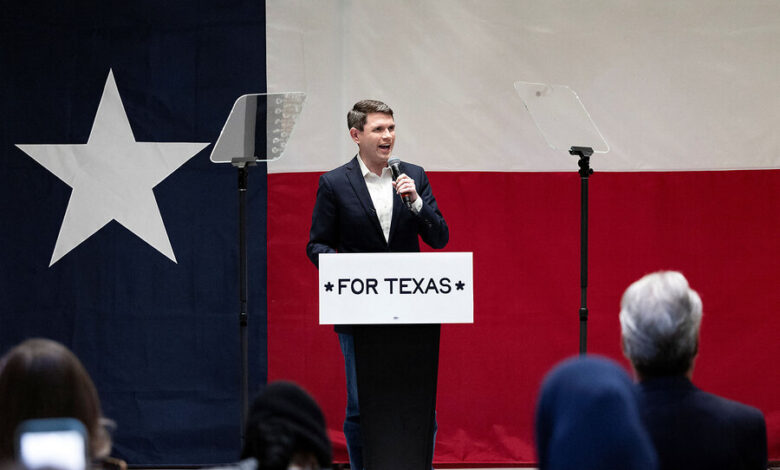
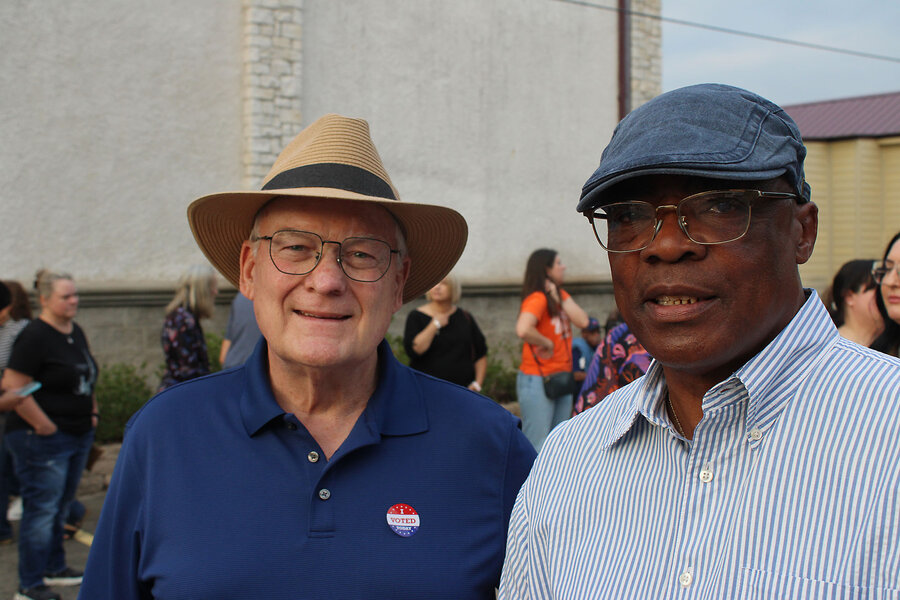
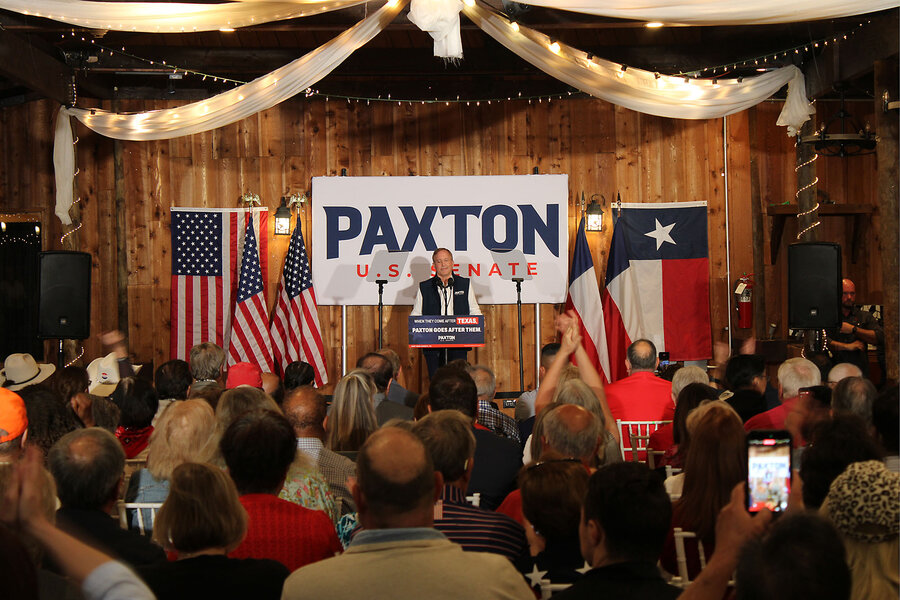
In the well-manicured Houston suburb of Richmond, Texas, the tension of a transformative political moment is palpable. Outside a Fort Bend County event center on October 20, 2026, hundreds of supporters for Republican U.S. Senate candidate Ken Paxton gathered under a cool October sun. Despite the familiar campaign energy, some longtime voters expressed a rare sense of trepidation. Marlene Keplinger, waiting to enter the rally, admitted she was worried about the shifting political tides in a region that was once a reliable conservative stronghold. Nearby, John Bickett noted the sheer visibility of the opposition, remarking on the constant television presence of Paxton’s Democratic rival, state Representative James Talarico.
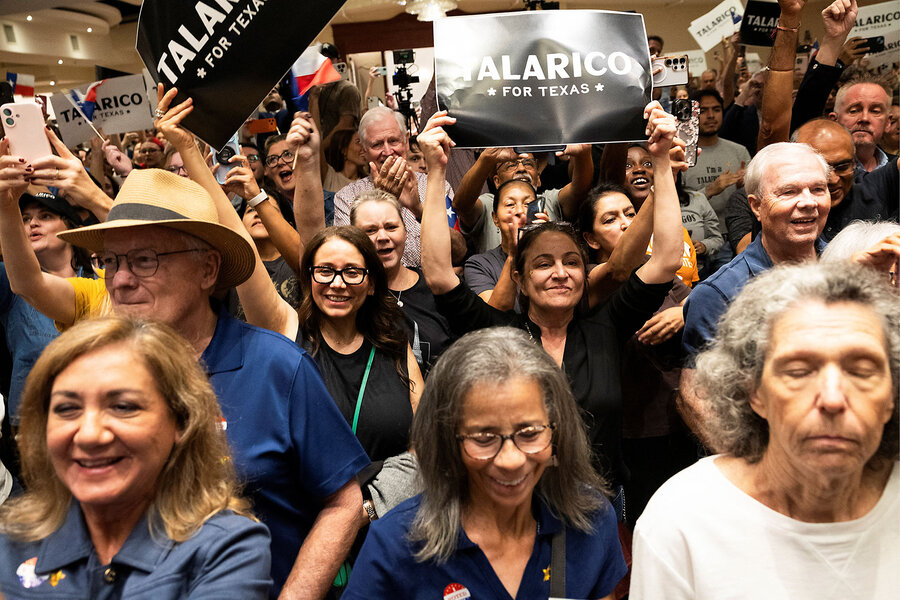
The anxiety is not without merit. Fort Bend County has grown and diversified rapidly, trending toward the Democratic column in recent years. In the 2024 presidential election, Kamala Harris narrowly defeated Donald Trump here, signaling a crack in the traditional Republican wall. Just 24 hours after the Paxton event, Talarico’s supporters descended on the same venue with a markedly different mood. Larry Junek, a retiree and local resident, described the current political climate as a “golden opportunity” for Democrats to end their three-decade losing streak in statewide races. For residents like Junek, the contest is about more than just a Senate seat; it is a chance to restore a check on executive power.
This biennial question—whether Texas will finally “turn blue”—has a new urgency in 2026. After years of Republican dominance, Democrats believe a unique confluence of factors has put the state in play. The contest pits Paxton, the state’s embattled attorney general, against Talarico, a legislator who has gained national attention for his blend of progressive policy and Christian rhetoric. For Republicans, the race is a fight to preserve the ideological heart of modern American conservatism. For Democrats, it is an attempt to finally kick the football that has been pulled away from them in every cycle since 1994.
Ken Paxton’s path to the Senate nomination has been defined by his role as a lightning rod for controversy. Having served 10 years as the state’s attorney general, his tenure has been marked by repeated legal and political scandals. These include a long-standing indictment for securities fraud and a 2023 impeachment by the Republican-controlled state House on corruption allegations, though he was later acquitted by the state Senate. Personal turmoil has also followed the candidate, with his wife filing for divorce last year amid allegations of adultery. Despite these challenges, Paxton remains a favorite of the MAGA base, having defeated the more moderate incumbent Senator John Cornyn in the primary. Republican strategist Whit Ayres noted that while Paxton’s nomination solidified his standing with the base, it arguably put an otherwise safe seat into a competitive dead heat.
Paxton’s supporters view his record differently, emphasizing his aggressive legal challenges against Democratic administrations in Washington. They frame his scandals as politically motivated attacks and argue his private life should remain separate from his public service. In his own words during a Richmond rally, Paxton described the election as existential, warning that “if we lose Texas, we lose America.” He has spent the final days of the campaign characterizing Talarico as a radical disguised by moderate rhetoric, frequently citing past comments from Talarico regarding biological sex and the nonbinary nature of God. While Talarico has walked back some of these statements, the Paxton campaign continues to use them as evidence of an underlying left-wing agenda.
James Talarico has countered by linking Paxton’s personal scandals to the economic frustrations of Texas voters. Focusing on high prices for gas and groceries, Talarico argues that an “affordability crisis” is the direct result of a “corruption crisis” in state government. His campaign has been notable for its attempt to reclaim religious language for the Democratic party, a strategy aimed at reaching swing voters in the suburbs. Polling suggests the race is a toss-up, with some surveys showing Talarico with a razor-thin lead. To capitalize on this momentum, both candidates are engaged in rapid-fire bus tours across the state as the campaign enters its final week.
The financial scale of the race reflects its national importance. As of October 2026, the Paxton-Talarico contest is the most expensive in the United States, with total spending exceeding $500 million. The race has attracted the attention of the tech elite, with Elon Musk—whose SpaceX and Tesla operations are headquartered in Texas—donating $158 million to support Republican efforts. Talarico, meanwhile, has relied on a massive influx of small-dollar donations alongside significant backing from major Democratic donors like LinkedIn co-founder Reid Hoffman.
Beyond the immediate goal of a Senate seat, the outcome in Texas will likely dictate the future of both national parties. A Paxton defeat would not only potentially flip control of the U.S. Senate for the final two years of the Trump presidency but also shatter the image of Texas as a laboratory for conservative policy. For decades, the “Texas Model” of low taxation and minimal regulation has served as the GOP’s national blueprint. If that blueprint is rejected by voters, it could force a massive strategic realignment within the Republican Party.
As voters like Marlene Keplinger remember, the state has seen close calls before, most notably in 2018 when Beto O’Rourke narrowly lost to Senator Ted Cruz. While O’Rourke failed to win, his campaign helped down-ballot Democrats seize control of local offices in counties like Fort Bend. That 2018 wave was also the moment James Talarico first entered the state legislature as a political novice. Now, as the 2026 cycle reaches its climax, Republicans are hoping to avoid the complacency that led to those previous suburban shifts. Consultants like Brendan Steinhauser believe that while the year is tough, the sheer number of Republican voters in rural areas may still be enough to eke out a victory and keep the Democratic “Pandora’s box” firmly shut.