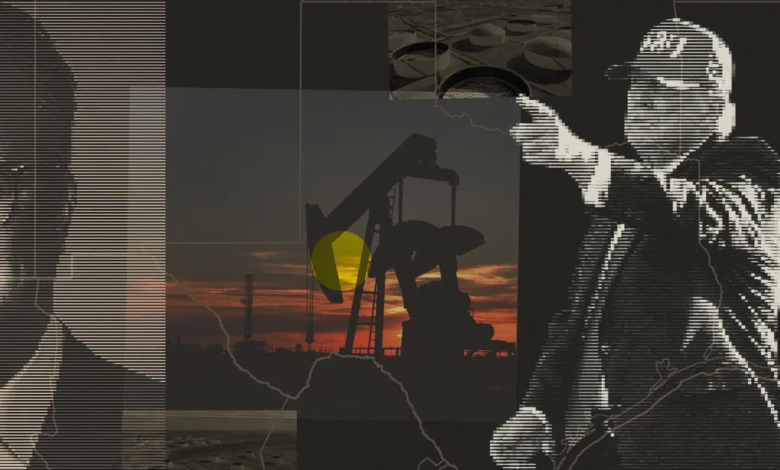
Standing on a fresh Diamondback Energy fracking site, the deafening noise of a dozen semi-truck-sized gas generators and massive pumping machines reveals the immense scale of modern oil recovery. Pumping sand and high-pressure fluids into deep shale rock formations, crews work round-the-clock shifts for at least a week. Using explosives and high-pressure water, workers fracture shale along horizontal wells that stretch for miles parallel to the surface, unlocking the oil and gas that transformed the United States into the world’s leading energy producer over the past decade.
Yet, despite this advanced technology and a series of market spikes and supply concerns, the anticipated gold rush among American drillers has failed to materialize. In past energy booms, small and midsize producers would have scrambled to capitalize on higher prices. Today, however, major players like Chevron and ExxonMobil are prioritizing global portfolios and deliberate capital expenditures, while independent operators are taking a sharply different approach to the market.
The muted industry response highlights a structural shift across the Permian Basin. Companies are no longer chasing the most lucrative short-term barrels. Instead, they are prioritizing financial sustainability capable of returning reliable cash to shareholders, even when commodity prices eventually decline.
Achieving that stability requires an intense focus on operational efficiency. According to Hunter Landers, Diamondback’s senior vice president of well construction, companies are constantly looking for savings to remain resilient. A core strategy involves drilling deeper and longer so that the substantial fixed costs of fracking operations are distributed across a larger volume of oil per well. The frack site featured wells plunging roughly half as deep as Mount Everest is high, tapping into oil-rich rock layers previously considered out of reach, while other innovations allow for simultaneous fracking to minimize downtime.
Other producers are employing different tactical measures to maximize output. Brendan McCracken, CEO of midsized driller Ovintiv, noted that his company achieved the highest rate of production per foot in the Permian by injecting surfactants—industrial slippery soaps—into its wells. Operators are also preparing wells to be brought online rapidly when prices fluctuate, deploying artificial intelligence to analyze vast datasets, embedding hedge clauses into sales contracts to protect against price crashes, and sourcing fracking sand locally rather than importing it from Midwestern quarries.
At the same time, waves of merger and acquisition consolidation have reshaped the regional landscape. Diamondback finalized a $26 billion merger with rival Endeavor Energy Resources in 2024, a trend that has left fewer corporate executives in place to greenlight aggressive projects and reduced the availability of underground resources for smaller wildcatters.
Veterans of previous industry downturns remain acutely aware of the dangers of overexpansion. Kirk Edwards, CEO of the Odessa-based independent producer Latigo Petroleum, recalled the devastating market bust of the mid-2010s when unchecked domestic shale growth triggered a steep price collapse. Pointing to political rhetoric surrounding lower oil prices, Edwards emphasized that a return to cheap crude would be disastrous, ensuring that today’s executives refuse to engage in reckless drilling.
By focusing on cost discipline, strategic hedging, and disciplined capital management, Permian producers are attempting to insulate themselves from the historic volatility that once defined the sector, trading rapid expansion for long-term survival.