While millions of Americans prepare to cast ballots for their elected representatives this November, the future of the nation’s ecosystems and wildlife populations is also quietly being decided at the state level. From the rocky coasts of Rhode Island to the mountain ranges of Colorado, voters are facing a series of ballot measures that could fundamentally shift how land is conserved, how climate resilience is funded, and how wildlife is managed in the face of shifting federal priorities.
The surge in state-level environmental questions comes at a time of significant transition for national conservation policy. In recent years, federal administrations have moved to roll back protections for endangered species, reduce the regulatory power of climate-focused agencies, and tighten the budgets of the National Park Service and the National Forest Service. This retreat has effectively shifted the burden of habitat preservation to individual states, making localized ballot initiatives a primary tool for environmental groups and policymakers seeking to fill the void.
In California, voters are grappling with Proposition 45, a measure that highlights the growing tension between environmental oversight and the urgent need for infrastructure. The proposal seeks to shorten the environmental review periods required under the California Environmental Quality Act for what are deemed “essential projects,” including clean energy facilities, water systems, and housing. While proponents argue the measure is necessary to accelerate the state’s transition to a green economy and address its housing crisis, organizations like the Sierra Club have signaled opposition, warning that reduced review times could lead to the unintended destruction of critical habitats.
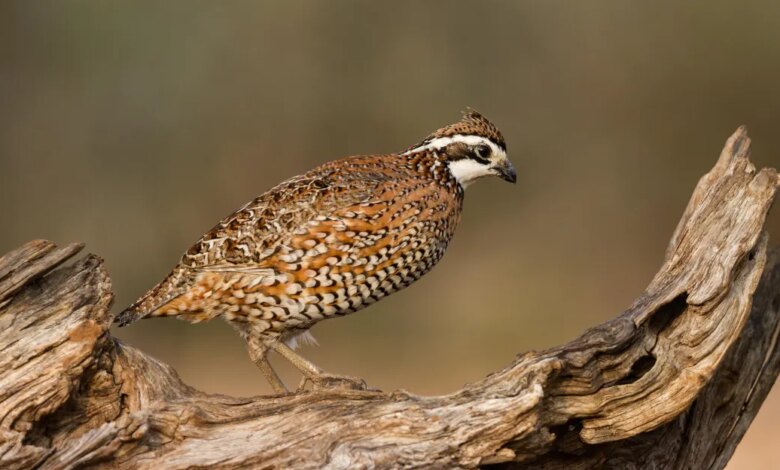
Further east, Georgia’s Amendment 1 offers a more direct approach to conservation through the tax code. The measure would double the amount of land—from 2,000 acres to 4,000 acres—that a single owner can protect under the state’s Conservation Use Valuation Assessment program in exchange for tax breaks. Forestry experts suggest the change would provide a significant incentive for farmers and large-scale ranchers to keep their properties undeveloped. Such an expansion is viewed as a vital lifeline for local species like the nine-banded armadillo and the northern bobwhite quail, which rely on the large, contiguous tracts of land that these tax breaks help preserve.
Funding for conservation is a recurring theme in several states. Massachusetts is considering Question 6, which would establish the “Nature for All Fund.” This initiative would redirect existing taxes on recreational items, including sporting goods, recreational vehicles, and golf course expenditures, into a dedicated source for natural resource conservation—marking the first such permanent fund in the state’s history. Colorado is pursuing a similar strategy with Proposition 137, which would also funnel sales taxes on sporting goods toward wildfire prevention and habitat restoration. In a state where wildfires have scorched more than 2 million acres over the last decade, the measure has gained broad support from dozens of conservation organizations.
Infrastructure-focused measures in Arkansas and Rhode Island also carry significant implications for local wildlife. Arkansas voters are being asked to approve up to $500 million in bonds through Issue 4 to fund water treatment, waste disposal, and wetlands infrastructure. In Rhode Island, Question 5 proposes $55 million in bonds for climate resilience and environmental projects. Of that total, $25 million would be earmarked for climate change mitigation, while $7 million would be dedicated specifically to the Narragansett Bay and its surrounding watersheds to fund habitat restoration and the control of invasive aquatic species.
Perhaps the most contentious wildlife issue on any ballot this year is Colorado’s Amendment 83. The measure seeks to enshrine a constitutional “right to hunt, fish, and harvest fish and wildlife” using “traditional methods.” While hunting and fishing are already protected by state statute, the move to place these rights in the constitution has sparked intense debate over the definition of the word “traditional.”
Critics, including some wildlife commissioners, point out that the amendment fails to define which methods qualify as traditional. This ambiguity, they argue, could potentially re-legalize practices that have been banned for decades, such as the use of leg-hold traps, snares, poisons, or baiting and hounding. Colorado voters specifically banned bear hunting with bait and hounds in 1992 and outlawed steel-jawed traps in 1996. Because these methods are non-discriminatory, they often result in the maiming or death of non-target animals, including endangered species like the lynx or wolf.
Amendment 83 also proposes establishing hunting and fishing as the “preferred means” of managing wildlife populations. This clause could significantly restrict the ability of state agencies, like Colorado Parks and Wildlife, to utilize non-lethal management tools such as animal relocation or birth control. The debate has caused a rare rift within the sporting community itself, with some hunting groups opposing the measure on the grounds that it ignores the public’s broader interest in seeing wildlife protected from unnecessary suffering. As voters head to the polls, these measures collectively represent a pivotal moment for state-level environmental autonomy and the long-term survival of American wildlands.