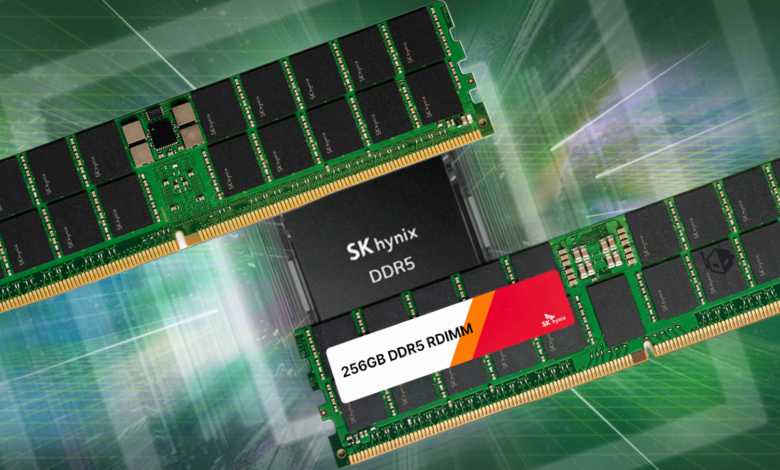
The global semiconductor supply chain faces a protracted squeeze for advanced memory components as the rapid expansion of artificial intelligence infrastructure outpaces manufacturing capabilities. Major memory supplier SK Hynix has cautioned that the worldwide shortage of high-bandwidth memory and high-end dynamic random-access memory could persist until 2030, even as leading chipmakers accelerate production scaling and facility investments.
Driving the severe supply imbalance is the unrelenting global deployment of generative artificial intelligence, large language models, and specialized data centers. High-bandwidth memory has emerged as one of the most critical and scarce components across the modern technology sector. As major technology corporations, cloud computing service providers, and sovereign AI initiatives aggressively increase capital expenditures for high-performance computing platforms, the resulting demand for advanced memory far exceeds traditional server requirements.
Industry dynamics indicate that as artificial intelligence models scale in parameter size and complexity, the memory capacity required by each individual graphics processing unit continues to escalate. The evolution from HBM3 and HBM3E architectures toward upcoming generations such as HBM4 and subsequent iterations demands substantially greater memory resources per AI accelerator, compounding existing supply chain pressures across the semiconductor ecosystem.
Although SK Hynix is advancing multiple production expansion initiatives—including the construction of new manufacturing facilities, the buildout of advanced packaging lines, and targeted efficiency improvements—industry executives note that expanding memory production is not a short-term undertaking. Advanced semiconductor products require sophisticated manufacturing technologies, specialized packaging equipment, extended plant construction timelines, and skilled technical talent. Consequently, the release rate of new commercial capacity remains slow relative to surging market consumption.
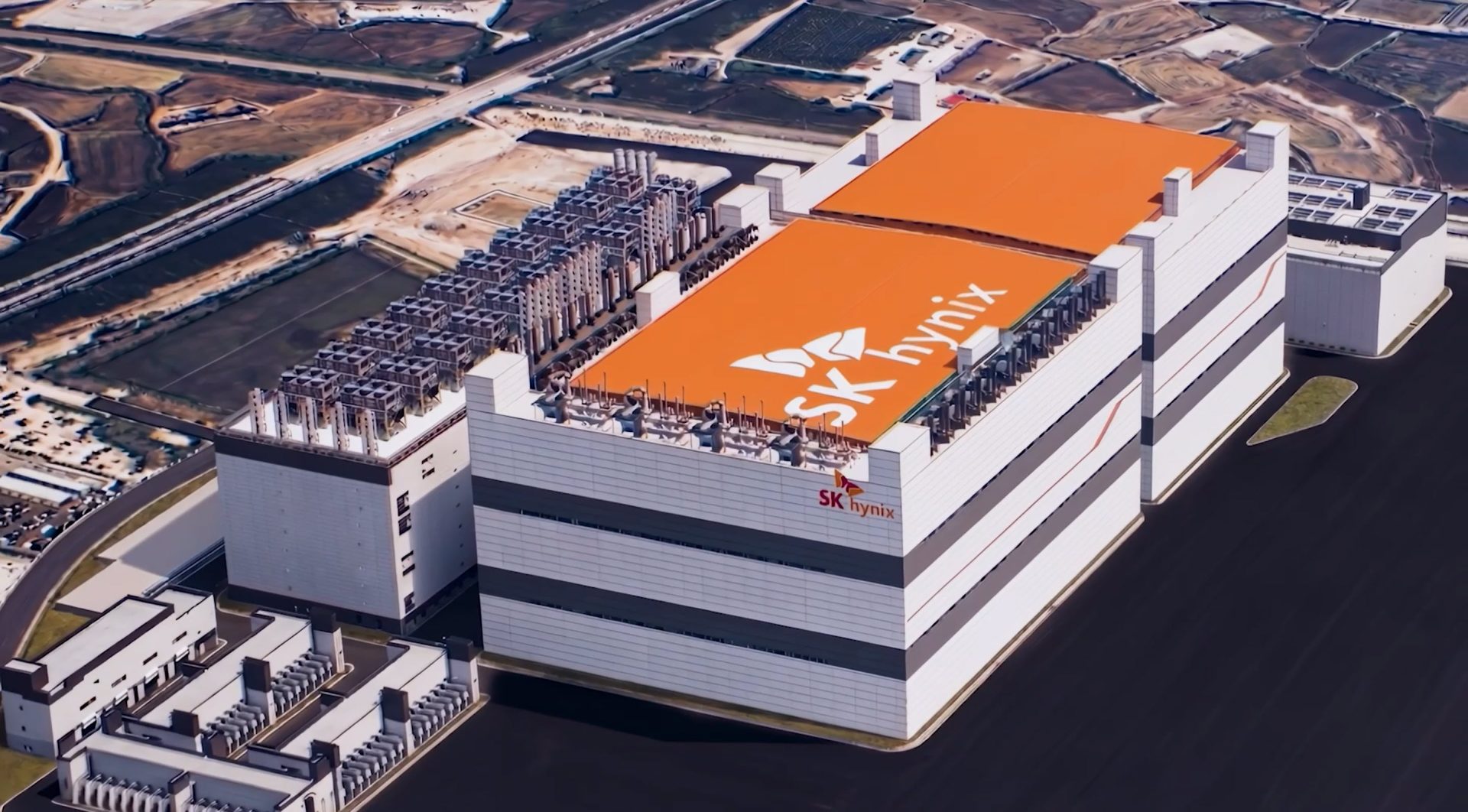
Maintaining a leading position in the global high-bandwidth memory market and serving as a key hardware partner for major artificial intelligence chip developers such as Nvidia, SK Hynix remains at the center of the industry’s supply efforts. However, company assessments emphasize that even with substantial capital investments by industry leaders, production output will struggle to match demand trajectories if the artificial intelligence sector maintains its current growth path.
Industry consensus increasingly points to specialized memory, advanced DRAM, and associated packaging capabilities as enduring bottlenecks within the international semiconductor supply chain. The latest projections from manufacturers underscore that high-performance memory markets will likely remain structurally constrained for the remainder of the decade.