Investigators examining the death of a man who fell from a roller coaster at Six Flags Over Georgia are focusing on whether maintenance issues, design flaws, or human error contributed to the incident. The ride, known as the Goliath, has remained closed since 42-year-old Hassan Kariem died after witnesses reported he was ejected from the attraction.
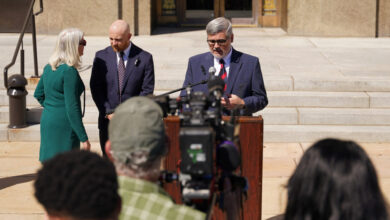
John F. King, Georgia’s Insurance and Safety Fire Commissioner, whose office is leading the inquiry, stated that investigators are committed to a thorough review. A spokesperson for Six Flags expressed condolences to the victim’s family and stated that the park is cooperating fully with state authorities and the ride manufacturer. In a subsequent announcement, Six Flags CEO John Reilly said the park system will add seat belts to the Goliath and other roller coasters utilizing similar restraints.
State safety records show that a March inspection of the Goliath found no violations or deficiencies, though the report included a note instructing staff to replace bushings. Ride inspection and forensic engineering experts noted that such mechanical components will be a focal point of the investigation. Bushings are engineered to reduce friction and absorb shock in mechanical assemblies, including restraints, chassis joints, and wheel bogies. Troy Richardson, a forensic engineering expert and founder of MIT Experts, explained that even a minor defect or slight misalignment in a bushing can create significant mechanical complications.
However, a person familiar with park operations stated that the bushings flagged during the March inspection were located on the ride’s bogie assemblies—which connect the vehicle to the track—rather than the restraint system, and that those parts had been replaced as recommended. Kathryn Woodcock, editor-in-chief of the Journal of Themed Experience and Attractions Studies and a professor at Toronto Metropolitan University, emphasized that investigators will differentiate between whether a mechanical part experienced catastrophic failure or if two components disconnected during operation.
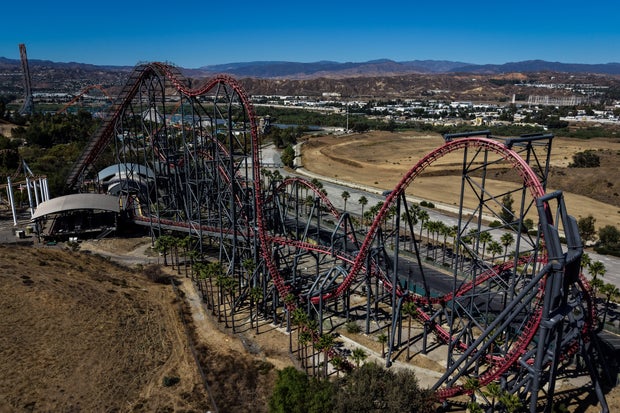
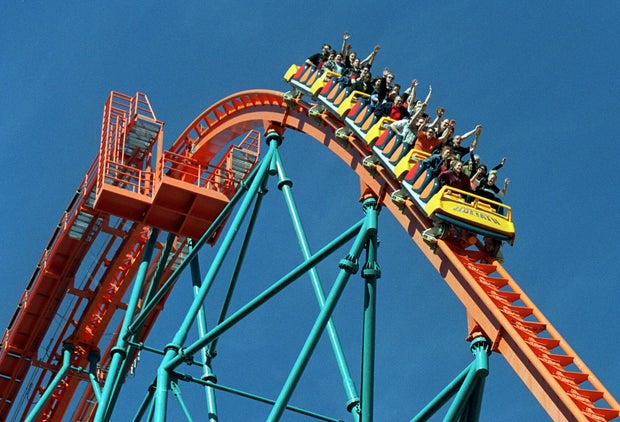
The Goliath opened in 2006 and was designed by Bolliger & Mabillard, a Swiss-based amusement ride manufacturer. The coaster features tracks rising 200 feet and can attain speeds of up to 70 miles per hour. Operating procedures require park maintenance to inspect rides and their restraints each morning before opening, and operators are tasked with checking and securing passenger restraints from a control panel. Operators look for system indicators, such as blinking green dispatch buttons, to confirm that all car restraints are securely locked before launching a train.
Former employees of Six Flags Over Georgia raised concerns regarding staff training schedules and operational pressures. Jacobi Edwards, who worked as a ride operations lead at the park, described it as a well-run facility but noted that staff felt rushed due to the high popularity of the Goliath and strict operational timing. Harper Henderson, a former employee who started at the park at age 15 and later served as a trainer, stated that managers pressed for minimal staffing levels to open rides, which she said sometimes led to expedited training processes for new hires. Henderson resigned from her position in July 2025.
Legal representatives familiar with amusement park litigation noted that past incidents at other properties have similarly brought scrutiny to training protocols and maintenance oversight. Timothy Loranger, an attorney who represented the family of a rider killed on the X2 roller coaster at Six Flags Magic Mountain in 2022, stated that previous wrongful death litigation involved concerns over whether ride operators fully understood their safety responsibilities. That California ride was permanently shuttered in September following lawsuits alleging rider injuries.