Singapore is set to begin storing Saudi Arabian crude oil in massive underground rock caverns starting in the second half of 2027, a move designed to buffer global energy supplies against heightening geopolitical tensions in the Middle East.
The agreement centers on the Jurong Rock Caverns, a specialized subterranean storage facility located within a petrochemicals and refining complex in the southern part of the city-state. The arrangement was announced on Monday by Tan See Leng, Singapore’s Minister for Energy, Trade, and Industry, during an address at the Singapore International Energy Week conference.
According to Tan, the storage initiative is intended to bolster the resilience of Saudi Arabia’s crude oil supply chain throughout Southeast Asia. Simultaneously, the partnership provides Singapore with an added layer of energy security and preparedness in the event of major market or supply disruptions.
The strategic shift by Riyadh follows a series of high-profile challenges to its traditional export routes. Ongoing instability stemming from the US-Iran war, coupled with security threats in the Strait of Hormuz and the Red Sea, has prompted Saudi officials to seek more secure, localized storage options for international markets. These shipping lanes are critical conduits for the kingdom’s crude, but recent years have seen them plagued by disruptions and attacks on energy infrastructure, including a major Saudi pipeline.
Amin Nasser, the chief executive officer of the state-owned Saudi Aramco, indicated earlier this month that the kingdom has been in active negotiations with various foreign governments to secure access to overseas storage hubs. The Singapore deal marks a significant milestone in that broader strategy of placing supply closer to key Asian consumers.
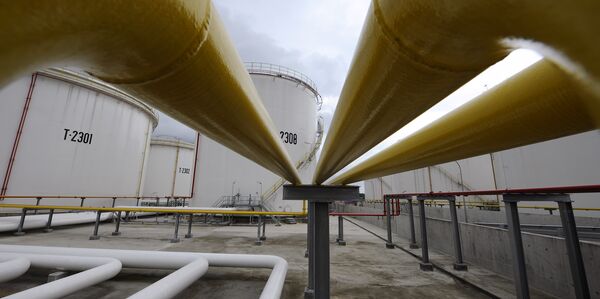
The Jurong Rock Caverns, owned by the government agency JTC Corp., offer a formidable technical capacity for such an undertaking. The facility is capable of holding up to 1.47 million cubic meters of liquid hydrocarbons, a category that includes both crude oil and condensates. This volume translates to approximately 9 million barrels of oil stored deep beneath the seabed.
Saudi Energy Minister Prince Abdulaziz bin Salman echoed the strategic importance of the site in a pre-recorded video address at the conference. He noted that positioning Saudi supply in such proximity to the Asian market would strengthen the flexibility of the kingdom’s supply network. The minister also suggested that the current agreement could serve as a foundation for expanded cooperation between the two nations in the future.
Formalizing the partnership, Saudi Aramco is scheduled to sign a memorandum of understanding with Singapore’s Energy Market Authority and JTC Corp. Following the signing, officials expect to finalize the details of the storage negotiations within the next few months.