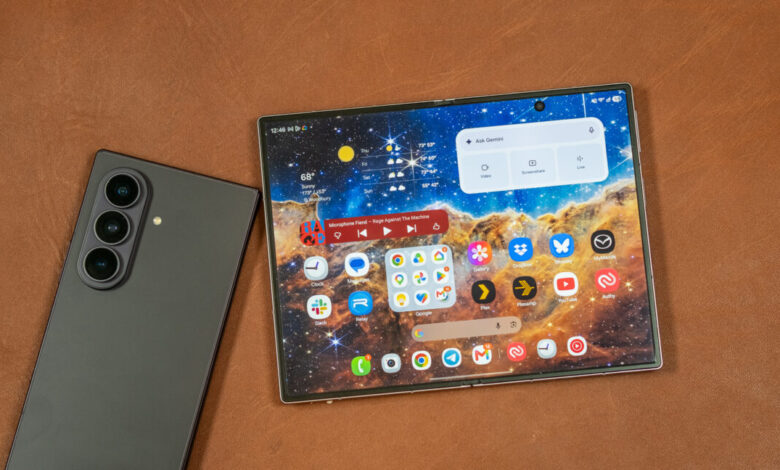
Samsung entered the foldable phone market in 2019 as a pioneer in a category it largely pursued alone for several years. Early iterations of these devices were frequently characterized as bulky engineering achievements rather than practical daily carry devices. Over time, however, foldable hardware steadily improved, allowing other major technology companies to enter the market with their own interpretations of the form factor.
Apple’s entry into the space with the iPhone Duo relies on components shared across the industry, including displays manufactured by Samsung. Market observers note that the arrival of Apple’s device has predictably accelerated broader consumer interest in foldable technology, prompting a wider industry shift toward alternative dimensions.
In response to anticipated market trends and leaks surrounding competing products, Samsung expanded its hardware lineup to include a non-Ultra model featuring a wider aspect ratio. This design choice reportedly addresses several long-standing usability complaints associated with foldable devices. The broader screen configuration provides an improved media viewing experience with reduced wasted space, while also enhancing utility for reading documents and running unoptimized applications in portrait orientation compared to traditional square foldable screens.
Despite these hardware improvements, consumer adoption continues to face financial hurdles due to high retail costs. Foldable devices frequently command prices around $2,000, presenting a steep investment for average buyers. However, industry pricing dynamics are shifting as standard flat flagship smartphones from manufacturers including Samsung, Google, and Apple experience steady price increases. Consequently, the gap between top-tier conventional phones and foldable models has narrowed significantly, even as foldable prices have experienced gradual upward adjustments.
Competitive pricing strategies have further influenced market dynamics. Apple introduced the iPhone Duo at a $2,000 price point, while Samsung’s competing wide foldable launched at a slightly lower price of $1,900 and has since seen sporadic retail discounts. As competitors adopt wider form factors to capture growing consumer demand, market analysts anticipate that design features pioneered by these devices will influence future hardware releases across the mobile industry.