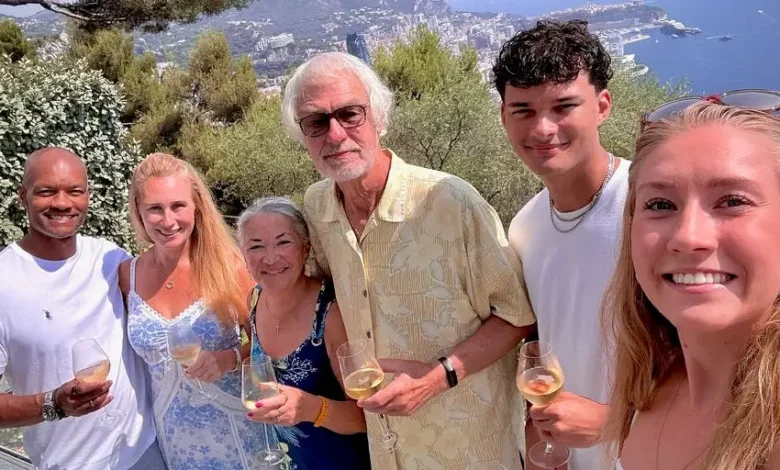
For the past twelve years, an annual multigenerational vacation has brought together three generations for worldwide travel. The group consists of a husband and wife, her parents who are now in their mid-70s, their son who is now 21 years old accompanied by his girlfriend, and the author who coordinates the journeys. Over more than a decade, the travel dynamic has undergone a notable transformation, moving from fast-paced bucket-list itineraries to more grounded and deliberate experiences.
Initially, the planning centered entirely on checking off major global destinations, with past trips spanning regions such as Africa and the Galápagos Islands. In recent years, however, health considerations and aging have altered the approach. The logistical focus has shifted toward managing walking distances, incorporating necessary downtime, minimizing frequent hotel changes, and selecting locations where the family can settle in comfortably for extended periods.
While the role of planner has required careful balancing between accommodating the physical needs of mid-70s parents and maintaining entertainment for college-aged travelers, the trips continue to yield unexpected moments of connection. During a recent stop at Nikki Beach in St. Tropez requested by the youngest generation, both parents surprised the group by joining in the dancing during a daytime beach club event featuring music and a lively atmosphere.
The deeper emotional weight of these annual journeys became apparent following a remark by the author’s 75-year-old father, who shared that stopping the tradition would make him feel closer to mortality. That perspective reframed the purpose of the vacations, shifting the measure of success away from sightseeing landmarks toward the value of uninterrupted time together. The most meaningful aspects of the travel now happen off the itinerary—sharing cocktails by a pool, playing games like Flip 7 and Pass the Pigs, or stopping for a casual drink on an unfamiliar street.
Having previously experienced the profound loss of a son named Jake, the author remains acutely aware of life’s fragility and the finality of time. Although the eventual end of the current family lineup is recognized as an inevitable reality, the lasting legacy of the tradition is expected to endure. Started years ago by the parents, the vacation framework offers a foundation that may one day pass down to the youngest generation and their own future families.