Former police officers and military veterans are increasingly transitioning into private security and transportation roles within the legal cannabis industry, finding that their public service backgrounds align closely with the demands of hauling high-value cargo.
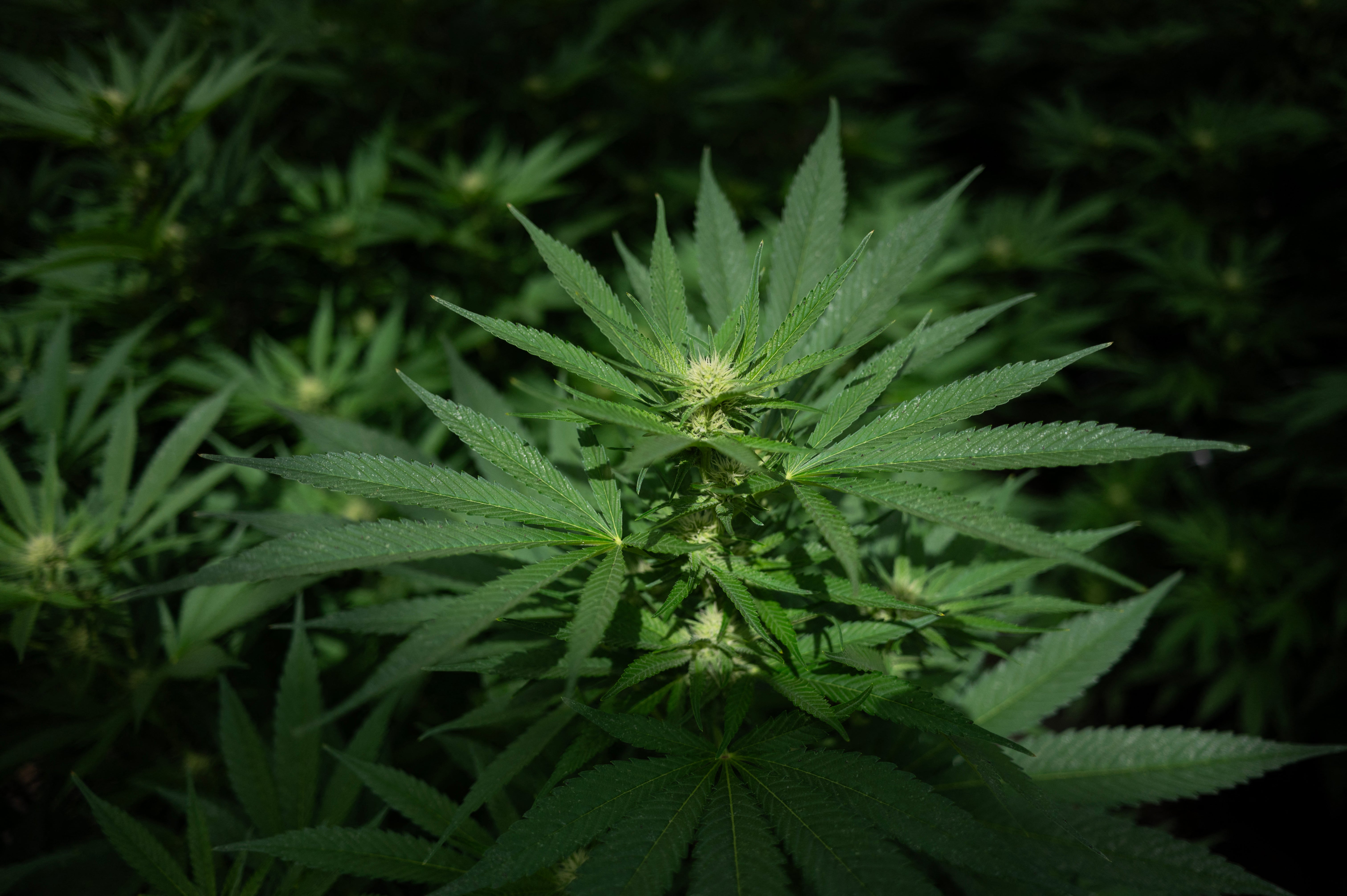
Recreational cannabis is currently legal in 24 states and Washington, D.C., though it remains classified as a controlled substance under federal law. Because federal banking restrictions and interstate legal boundaries often force the industry to handle significant amounts of cash and valuable product, specialized transport firms have turned to former law enforcement personnel to safeguard shipments moving between cultivators and dispensaries.
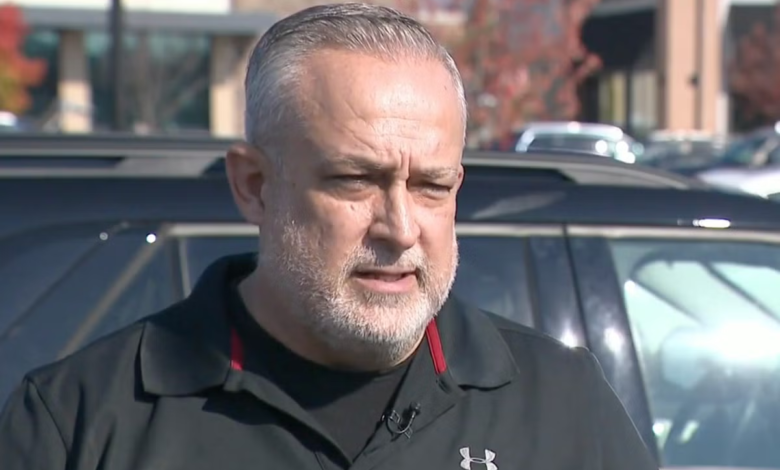
Matthew Dzambo, who spent nearly 30 years with the Baltimore Police Department including a tenure in a major crimes unit handling robberies, shootings, and burglaries, is among those who joined the sector. He now works as a driver for the cannabis transportation company Talaria. Dzambo noted that the heightened awareness developed during a career in policing translates naturally to transit work. When working on the street, officers maintain an elevated alert mode that helps them remain aware of their surroundings.
Recreational cannabis sales became legal in Maryland in July 2023 following legislation passed the prior year. Pennsylvania-based Talaria, founded in 2017, currently operates across seven states. Ralph Miller, a former officer with the Baldwin Borough Police Department, was also recruited by the firm to drive unmarked vans carrying cannabis products across Pennsylvania, describing the shift as a manageable transition centered on public service skills.
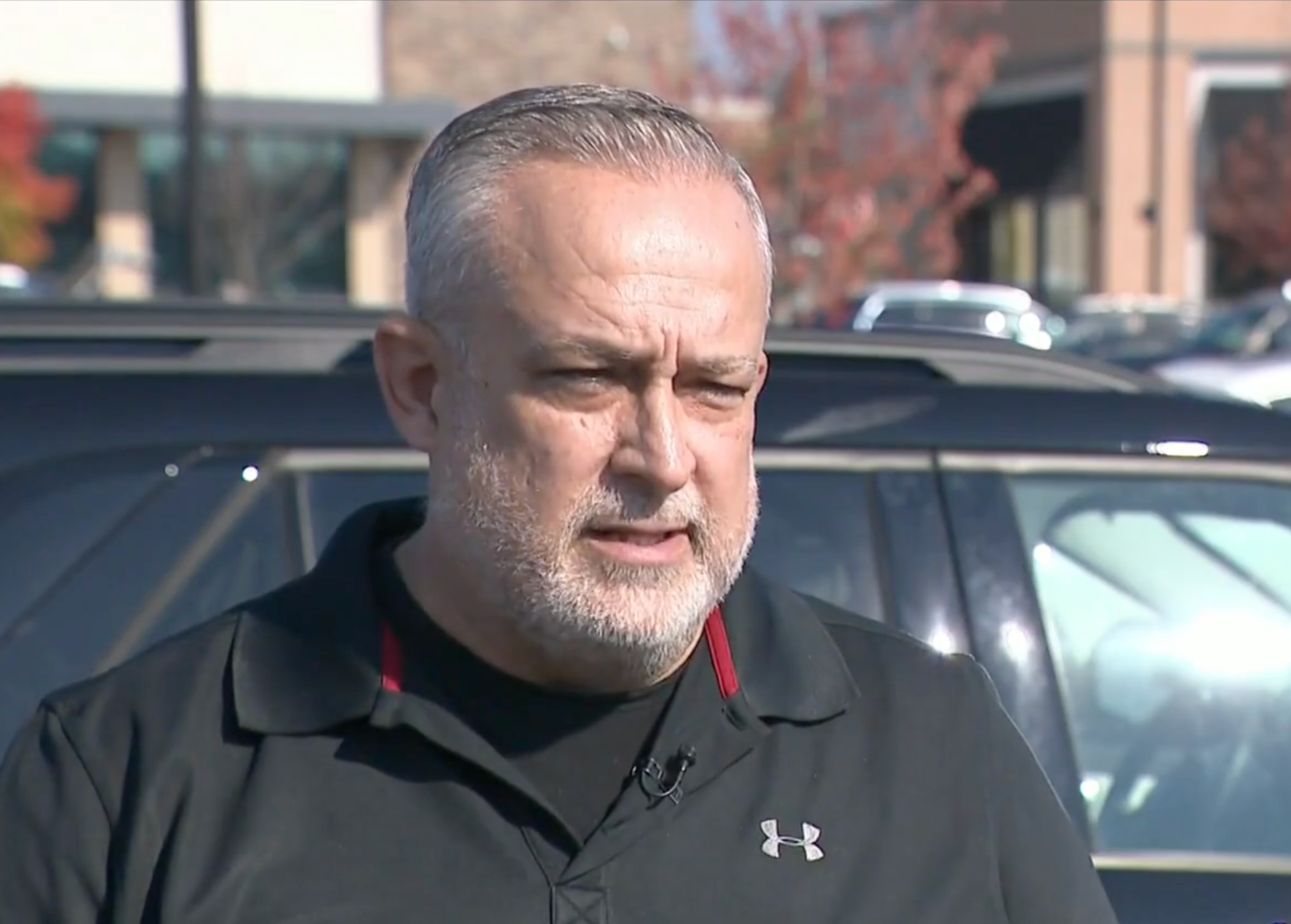
Ari Raptis, CEO of Talaria and cash transportation firm National Secure Transport, stated that his companies have hired approximately 300 former police and military personnel. Raptis emphasized that these individuals retired in good standing after protecting communities, making them trusted custodians for moving valuable product daily. To further secure operations, Talaria equips its drivers with firearms and operates transport vans outfitted with live-stream cameras connected directly to a monitoring control room.
The commercial footprint of cannabis continues to expand nationwide. Data published by the United States Census Bureau in September indicated that 30 states and the District of Columbia gathered nearly $3.6 billion in estimated cannabis excise tax revenue between July 2025 and June 2026, accounting for both recreational and medical sales. On the federal level, President Trump signed an executive order in December 2025 directing the Attorney General to reschedule cannabis to Schedule III of the Controlled Substances Act, a classification reflecting a lower potential for abuse than Schedules I and II, while also expanding medical cannabis research.
Despite growing state-level legalization and federal rescheduling efforts, the fragmented legal landscape creates ongoing security challenges. Aaron Smith, co-founder and former CEO of the National Cannabis Industry Association, observed that because cannabis remains illegal in various jurisdictions, the product retains an outsized value that attracts criminal interest, necessitating armed escorts and heightened transport security measures.