Elon Musk Restores Vital Starshield Access Following Significant Disruptions to Ukrainian Drone Operations

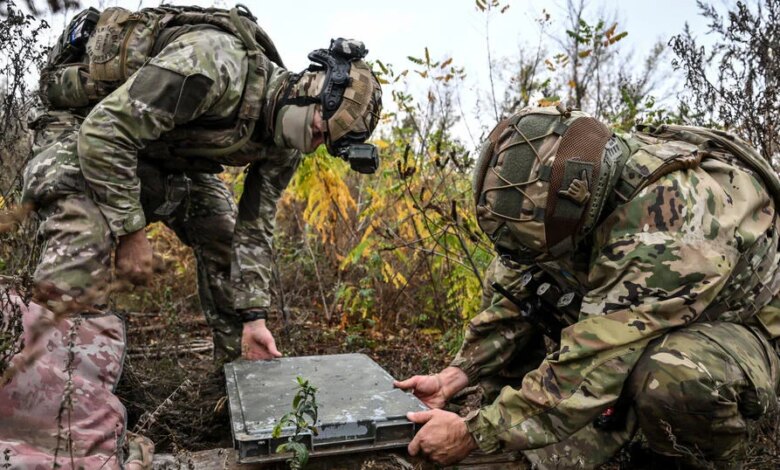
Ukrainian President Volodymyr Zelenskyy confirmed on October 24, 2026, that high-speed access to the Starshield and Starlink satellite networks has been restored to previous levels, ending a period of restricted service that significantly hampered the nation’s drone-dependent defense efforts. The restoration followed more than a week of tactical disruptions where Ukrainian military drones reportedly fell from the sky due to speed-based throttling implemented by SpaceX.
The disruption began on October 13, when Ukrainian military units began experiencing sudden technical failures with Starshield equipment. Soldiers on the front lines reported that “speed limits” were being imposed on the military-grade Starshield internet dishes, which are frequently mounted on drones to maintain connections with remote pilots during high-speed flight. When these drones exceeded certain velocity thresholds, the connection would drop, causing the aircraft to lose control and crash. Sources within the Ukrainian Ministry of Defense stated that the restrictions were imposed unilaterally without prior notification.
Elon Musk, the CEO of SpaceX, eventually admitted to throttling the Starlink network, though he offered a different perspective on the military-grade Starshield system. Musk asserted on his social media platform, X, that the Ukrainian military had violated Starlink’s terms of service by using the commercial system for offensive drone strikes. “That loophole was closed last week,” Musk wrote, while simultaneously maintaining that any limits on Starshield—a product specifically licensed for military use—would be the purview of the U.S. government.
This incident has highlighted Ukraine’s deep reliance on Musk’s satellite constellation. With a military that is significantly smaller than Russia’s, Kyiv has leaned heavily on drone technology to maintain both defensive and offensive operations. Starlink, the civilian version of the service, and Starshield, the military variant, provide the only viable backbone for these operations, as the systems are largely resistant to conventional jamming or physical destruction. Musk himself recently characterized the technology as “critical,” stating that if the service were entirely deactivated, the Ukrainian front line would face immediate collapse.
Technical specifications provided by analysts within the Armed Forces of Ukraine show the precision of the throttling. Standard Starlink terminals typically carry a 70 km/h speed cap, designed for use in moving civilian vehicles. Starshield, however, is designed to function at much higher velocities, supporting drones that cruise at speeds of 160 km/h or more. During the period of disruption, Ukrainian units reported that links were dropping at speeds as low as 90 km/h, rendering mid-range strike drones inoperable. Drone pilot and analyst Dimko Zhluktenko estimated that these sudden restrictions cost the Ukrainian military tens of millions of dollars in equipment losses.
The political circumstances surrounding the service disruption remain a subject of debate. President Zelenskyy initially suggested that the throttling might have occurred at the request of U.S. officials, an allegation that both Musk and President Donald Trump have denied. Despite these denials, reports emerged indicating that Musk had communicated with administration officials multiple times to seek clarity on the president’s stance regarding the war before the service was curtailed. On October 22, President Trump told reporters that the service had been restored, though he declined to comment on whether he had personally intervened, stating only, “the bottom line: He put it back.”
The timing of the network issues coincided with other significant failures in Ukraine’s defensive infrastructure. Between October 13 and October 18, Ukraine’s early warning system—which relies on a combination of American sensors and surveillance to detect incoming Russian ballistic missiles—failed twice. On October 13, a Russian missile barrage targeted energy infrastructure in Kyiv and Kharkiv without any advance warning, resulting in six deaths and leaving roughly 600,000 residents without power. While some U.S. officials attributed the failure to “bad weather,” Ukrainian officials expressed skepticism about that explanation. By October 24, Zelenskyy confirmed that these intelligence-sharing systems were also functioning properly again.
While connectivity has been restored, the episode has underscored broader tensions between Kyiv and Washington. President Trump has expressed increasing frustration with the longevity of the war and has recently pressured Zelenskyy to reach a deal with Russia. In recent weeks, the U.S. has eased some economic pressure on Moscow, including waiving restrictions on Russian diesel and lifting certain sanctions. Simultaneously, deliveries of Patriot interceptor missiles have slowed. Secretary of State Marco Rubio defended the pace of these deliveries, noting that the U.S. must balance its own inventory needs against global demands.
As of late October, the battlefield remains volatile. Despite talk of a potential “energy ceasefire” where both sides would stop targeting infrastructure, the Russian government never formally confirmed such an agreement, and strikes on Ukrainian energy facilities have continued. With the restoration of Starshield, Ukrainian forces have regained the high-speed connectivity required to deploy their jet-powered drones against these threats, but the recent outages have left the military wary of the private and political interests governing their primary communication tools.