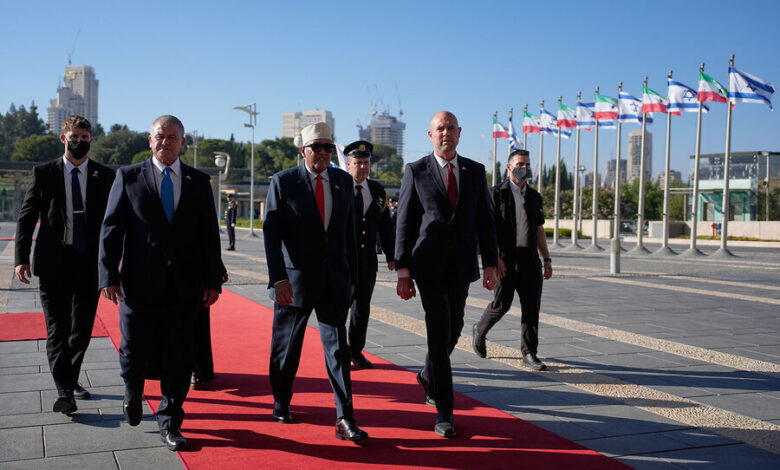
When Israel announced last December that it would recognize Somaliland as an independent nation, it became the first country in the world to do so. For residents of Hargeisa, the capital of the self-declared state that split from Somalia in 1991 following a brutal civil war, the move sparked immense celebration. Tens of thousands of people poured into the streets waving Israeli and Somaliland flags. At a bustling marketplace exchange stall, currency trader Abiquatar Farah holds onto a 20-shekel banknote gifted by an Israeli visitor as a permanent reminder of that milestone.
Yet, the diplomatic breakthrough has proved to be a double-edged sword. Somaliland remains locked out of the global fraternity of nations, lacking representation at the United Nations and access to international development loans while its citizens face severe travel and visa restrictions. For more than three decades, international acknowledgment has been the territory’s primary diplomatic goal. When a delegation met secretly with Israeli officials last year, adviser Jama Haji Mohamoud Egal recalled their three core requests: “Recognition. Recognition. Recognition.”
While Israel stands as the sole nation to grant that status, the alignment has drawn swift condemnation from the African Union and several Arab countries. President Abdirahman Mohamed Abdullahi, popularly known as Irro, has defended the partnership despite the hazards. “There is no risk-free life in the world,” President Abdullahi said. “We have been seeking recognition, and Israel is the only country that recognized us.”
Security analysts note that Israel’s motivations extend beyond supporting a nascent democratic state. Cameron Hudson, a former director for Africa affairs for the National Security Council, observed that Israel is pursuing hard security interests. Somaliland’s port in Berbera—built by the United Arab Emirates and located just 160 miles across the Gulf of Aden from Yemen—offers a strategic vantage point on one of the world’s busiest shipping routes. The location provides Israel a platform to monitor activity involving Yemen’s Iranian-backed Houthi rebels, who are currently at war with Yemen’s government. Ahmed Dirie, who chairs the executive committee of the Israel and Somaliland Friendship Association, stated in September that the two governments shared an enemy in the Houthis and could collaborate against them.
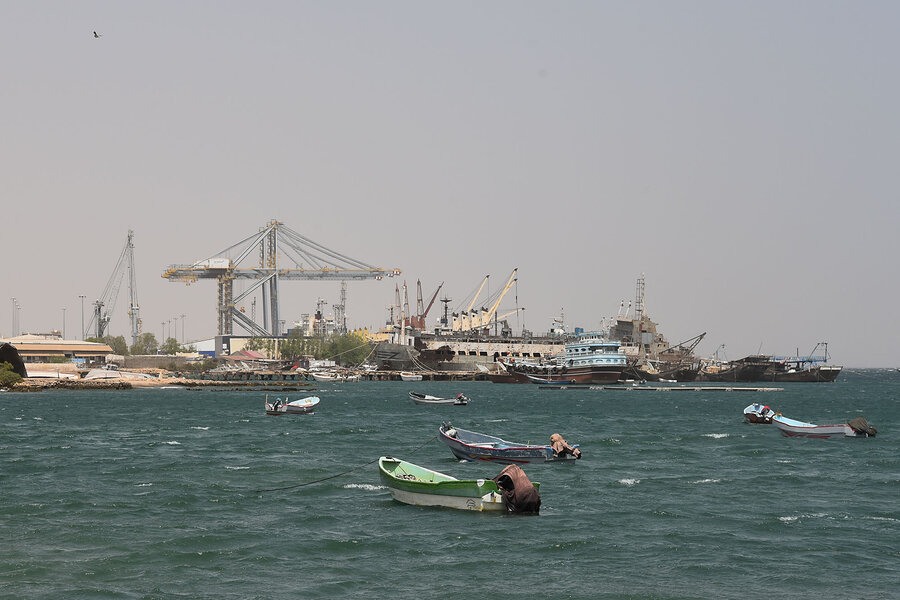
Defense Minister Mohamed Yusuf Ali confirmed that Israel has already opened an intelligence base in Somaliland, while Israeli forces have begun training local police and military personnel. President Abdullahi emphasized that the cooperation encompasses security, economic ties, foreign policy, regional affairs, and maritime security because it serves national interests.
Domestically and regionally, however, the partnership carries substantial liabilities. The Houthis have declared any Israeli presence in Somaliland a military target. Meanwhile, neighboring countries in East Africa and the Middle East remain staunchly opposed to Israel’s military campaigns in Gaza, Iran, and Lebanon. Hassan Suudi, managing director of the Institute for Strategic Insights and Research in Hargeisa, suggested that Somaliland was not in a position to negotiate on equal footing and may have been forced to write a blank check for recognition.
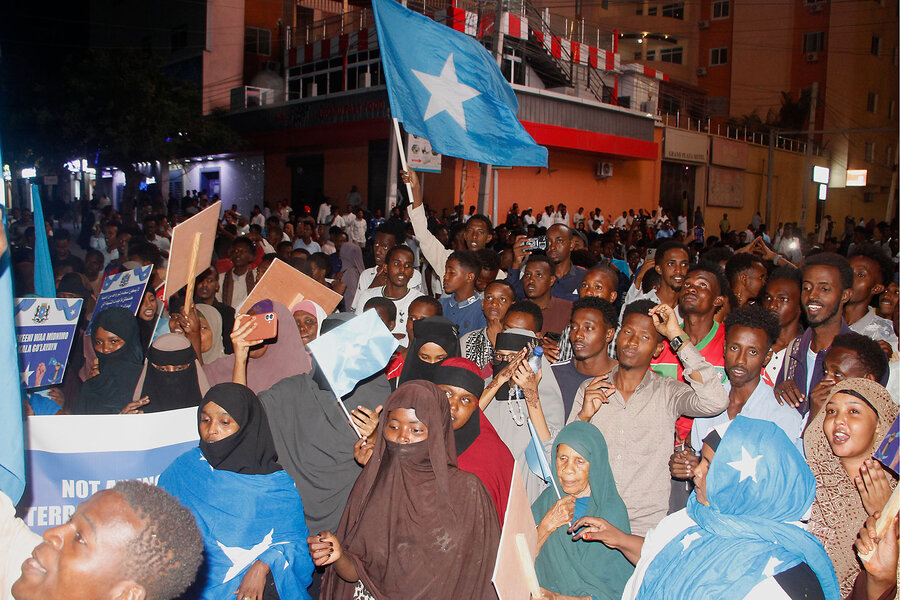
Public unease is palpable among citizens who object to partnering with a state accused by United Nations bodies of committing genocide in Gaza, a sensitivity heightened by Somaliland’s own historical trauma from Mogadishu’s brutal 1980s military campaign. Authorities have moved swiftly to suppress public dissent. Interior Minister Abdalle Mohamed Arab declared earlier this year that criticism of the relationship with Israel would not be tolerated, a stance underscored by human rights lawyer Guleid Ahmed Jama, who noted the state’s intent to crush dissenting narratives. In July, singer Khalid Mohamud Abdillahi, known as Khalid Kamil, was arrested over an unreleased song expressing sympathy for Palestinians in Jerusalem.
Conversely, the partnership has yielded tangible exchanges. In February, a group of government hydrologists from Somaliland traveled to Jerusalem to study desert water management, touring water treatment facilities and cultural sites including the Al-Aqsa Mosque. Despite the delegation’s visit coinciding with U.S. and Israeli airstrikes on Iran, attendees reported unwavering support for their hosts.
Somaliland’s leadership ultimately hopes that Israeli backing will pave the way for a broader diplomatic prize: recognition by the United States. In September, President Abdullahi traveled to Washington and met with Republican Senator Ted Cruz of Texas, who has advocated for American recognition of Somaliland’s sovereignty based on its partnership in countering terrorism and protecting shipping lanes. However, the Trump administration’s official position continues to affirm the territorial integrity of Somalia, and analysts suggest U.S. recognition remains unlikely in the near term given the lack of pressing strategic necessity. Furthermore, Israeli support has not yet triggered the anticipated chain reaction of international recognition from other governments.