Despite a backdrop of regional conflict and geopolitical volatility, the Gulf remains a powerful magnet for global finance. Leading firms managing a combined $5.8 trillion in assets have recently established or expanded their footprint in the region, signaling a calculated, long-term commitment to the Middle East as a primary engine for global capital.
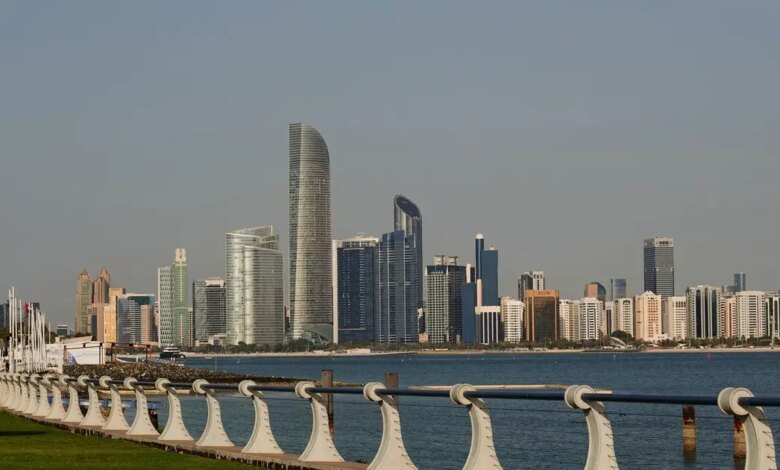
Abu Dhabi has emerged as the central winner in this trend, successfully positioning itself as the “capital of capital.” The emirate’s strategy involves leveraging its massive sovereign wealth to draw in foreign investors, often partnering with global firms on both domestic and international ventures. This approach has proven effective; Mubadala, Abu Dhabi’s sovereign wealth fund, has distinguished itself as the world’s most active sovereign investor this year.
Earlier this month, New Mountain Capital—a firm managing approximately $60 billion—announced the opening of a new office in Abu Dhabi. Adam Weinstein, the firm’s President and COO, stated that the move reflects a conviction that the Gulf will continue to generate more wealth than it can invest internally. Weinstein noted that the decision was based on a long-term perspective, viewing the region as a critical global capital allocator for years to come.
The trend extends beyond private equity into large-scale institutional management. Capital Group, which manages a staggering $3.3 trillion, also established a presence in Abu Dhabi this year. Benno Klingenberg-Timm, the firm’s head of institutional for Europe and Asia, characterized the move as a vital step in a broader strategy to accelerate global growth. He emphasized that the current geopolitical environment has not altered the firm’s multi-year commitment to the region.
While Abu Dhabi has seen a surge in first-time entrants, other regional hubs are also competing for influence. Riyadh continues to attract major names, though many of these firms were already operational elsewhere in the region before expanding into the Kingdom. One notable recent entry is Singapore’s sovereign fund, Temasek, which manages $518 billion and announced plans to open offices in both Riyadh and Abu Dhabi simultaneously.
In Qatar, the Silicon Valley-based firm Activate Capital has reached an agreement with the Qatar Investment Authority to establish regional operations in Doha. The firm intends to use the Qatari capital as a hub to identify and pursue investment opportunities across the Global South, highlighting the Gulf’s growing role as a bridge to emerging markets.
Geopolitical strategists point to several specific factors that keep the Gulf attractive to finance executives despite nearby conflicts. Beyond the proximity to massive sovereign wealth funds, the region offers tax-free jurisdictions, robust regulatory frameworks, favorable time zones, and superior air transport connectivity. For many firms, these structural advantages outweigh the immediate concerns regarding regional volatility.
The influx of these firms suggests that the Gulf’s financial centers are no longer just destinations for fundraising, but are becoming operational hubs for firms looking to drive growth across the wider Middle East and the Global South. As global wealth increasingly concentrates in the hands of regional sovereign entities, a physical presence in cities like Abu Dhabi is becoming a requirement for those seeking to participate in the next phase of the region’s economic expansion.