Florida Rises to 14th Largest Global Economy as $1.8 Trillion ‘Blueprint’ Faces Growing Pains

Florida has solidified its position as a global economic powerhouse, with its gross domestic product (GDP) reaching $1.8 trillion in 2026. The milestone places the Sunshine State as the 14th largest economy in the world, surpassing both Australia and Mexico. State leaders, led by Senator Ashley Moody, point to a specific governing philosophy they call the “Florida blueprint” as the catalyst for this rapid expansion, which saw the state’s economy grow by 6.3% over the past year.
The rise in economic standing follows a massive migration of wealth and population that began in earnest in 2019. Moody, who served as Florida’s attorney general from 2019 to 2025 before joining the Senate, worked alongside Governor Ron DeSantis to implement a policy framework defined by the absence of a personal income tax, aggressive deregulation, and fiscal restraint. To move even higher in the global rankings, Florida would need approximately 2% additional growth to overtake South Korea at No. 13 and roughly 21% growth to surpass Canada, which currently holds the 10th spot.
Reflecting on the period from 2019 through 2025, Moody described the state’s approach as a deliberate rejection of federal mandates. During the height of the pandemic, she noted that Florida chose to resist what she termed the “Washington swamp” and instead prioritized private markets and individual rights. This proactive stance, according to Moody, created a sense of economic freedom that became a magnet for both businesses and residents. Data from the University of Florida’s Shimberg Center for Housing Studies indicates that at the peak of this migration in 2022, the state gained nearly 600,000 residents, averaging approximately 1,640 people per day.
However, the rapid transformation of the state’s skyline and treasury has not come without significant friction for those already living there. While the influx of capital fueled top-line GDP figures, it also triggered an affordability crisis for the working class. Between 2020 and 2024, median single-family home prices in Florida surged by approximately 50%, according to figures from the U.S. Census Bureau and Florida REALTORS. This price spike has placed persistent hurdles in front of service-industry workers, first responders, and native Floridians who find themselves increasingly priced out of the communities where they work.
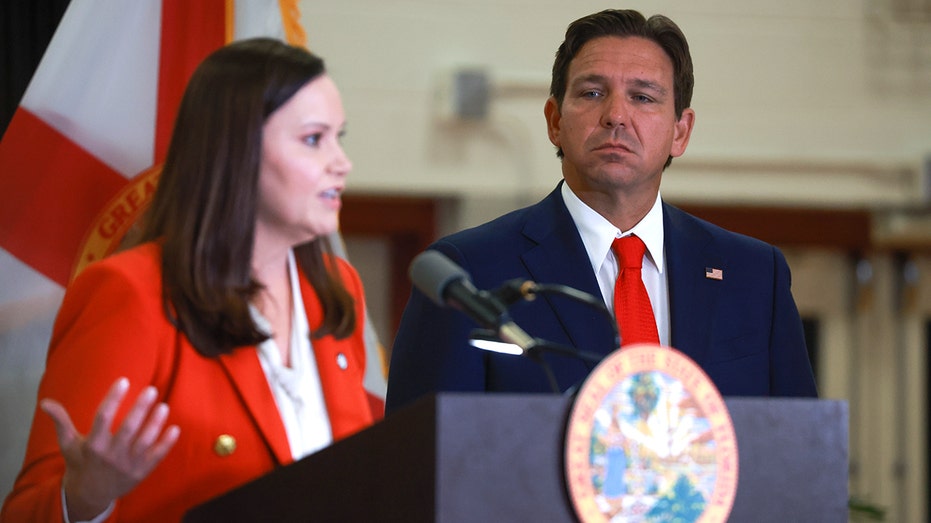
Moody acknowledged these challenges, noting that rapid growth requires a new set of priorities for state leaders. She emphasized that the state must now focus on staying ahead of infrastructure demands, particularly regarding highways and educational choice for the families moving into the region. There is also the matter of preserving the natural resources that define the state. With three national parks and vast ecosystems like the Everglades and various forests, Moody argued that proactive environmental protection must remain a pillar of the state’s expansion strategy.
Beyond its own borders, Florida’s leadership is positioning this model as a template for the rest of the country. Moody contended that the recipe for success is simple: government must return to its core constitutional functions of protecting rights and safety while allowing the free market to flourish. She suggested that this governing blueprint could be replicated in other states and at the federal level by lawmakers committed to common-sense policy decisions. As the state continues to manage the balance between historic growth and local affordability, its economic trajectory remains a focal point for national observers looking for alternatives to traditional fiscal policy.