The federal government has halted the transfer of investigative evidence to Minnesota authorities examining the fatal shootings of Renee Good and Alex Pretti by federal law enforcement officers. State officials detailed the stoppage in recent court filings, renewing a legal battle over access to materials deemed critical for independent local inquiries.
Minnesota prosecutors sued President Donald Trump’s administration in March to obtain investigative materials arising from a federal immigration crackdown in Minneapolis earlier this year. The dispute centers on jurisdictional authority and institutional trust. While federal officials have suggested that state prosecutors lack jurisdiction to investigate federal officers, Minnesota officials have maintained that they cannot rely on the federal government to conduct an impartial investigation of its own personnel.
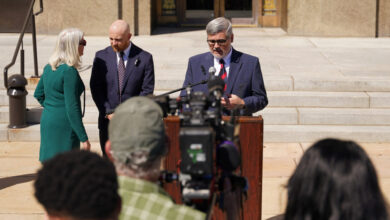
State prosecutors previously announced in July that federal authorities had begun providing evidentiary items, including police body camera video and hard drives containing witness statements. Hennepin County Attorney Mary Moriarty stated at the time that the state anticipated receiving the complete investigative file. However, according to October court documents, the transfer ground to a halt shortly after that initial disclosure.
Moriarty stated in the filings that the U.S. Attorney’s Office for Minnesota informed her on September 10 that evidence sharing was being placed on indefinite pause due to unspecified challenges involving Washington, D.C. In response to the standstill, state prosecutors have petitioned a judge to compel federal agencies to surrender the requested files, asserting in legal documents that officials have identified no legal authority or rational basis justifying their obstruction of state criminal investigations.
In a reply filed Tuesday, Department of Justice attorneys defended the withholding of records, arguing that federal authorities retain discretion over whether to share information with local counterparts. The federal attorneys cited departmental guidelines governing record requests, known as Touhy regulations, and contended that those regulations apply exclusively when formal legal proceedings are active at the time requests are submitted.
Drew Evans, superintendent of the Minnesota Bureau of Criminal Apprehension, outlined the specific evidentiary gaps in a legal declaration. According to Evans, federal authorities retain crucial materials that state investigators have been barred from viewing, including Renee Good’s clothing, the mobile phone belonging to the officer who shot her, and key interview recordings.
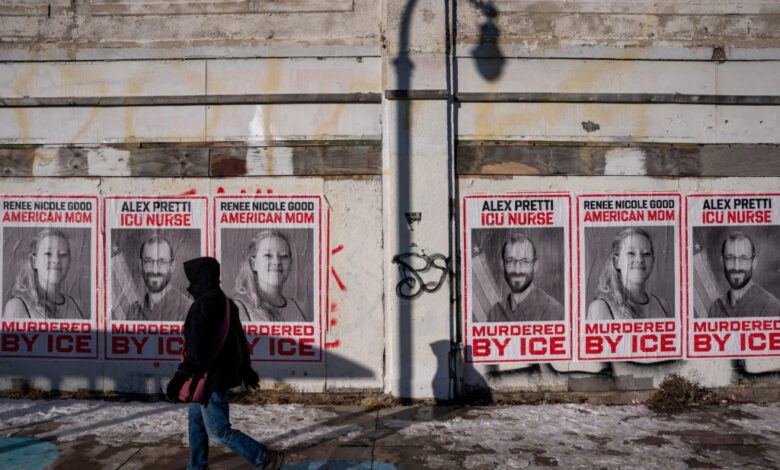
The killings of Good and Pretti sparked widespread national demonstrations against the administration’s immigration enforcement operations. Renee Good, a 37-year-old mother of three, was shot and killed by an Immigration and Customs Enforcement officer on January 7 as she attempted to leave a Minneapolis protest. Bystander footage captured Good sitting in the driver’s seat of an SUV honking her horn while masked immigration officers ordered her out of the vehicle. As the SUV moved forward, an officer positioned in front of the vehicle fired into the windshield before firing twice more from an arm’s length distance near the open driver’s side window. Federal officials maintained at the time that the officer acted in self-defense.
Alex Pretti, a 37-year-old intensive care nurse, was killed weeks later by a federal officer in Minneapolis. To date, no criminal charges have been filed in connection with either fatality.
Evans noted that federal authorities have likewise withheld a recorded statement from the officer involved in Pretti’s shooting, the firearms used by the officers, their personal mobile phones, ballistic projectiles and casings, and a firearm recovered from Pretti prior to the shooting. As the legal dispute continues in court, state investigators await a judicial ruling on whether federal agencies must comply with local demands for the withheld evidence.