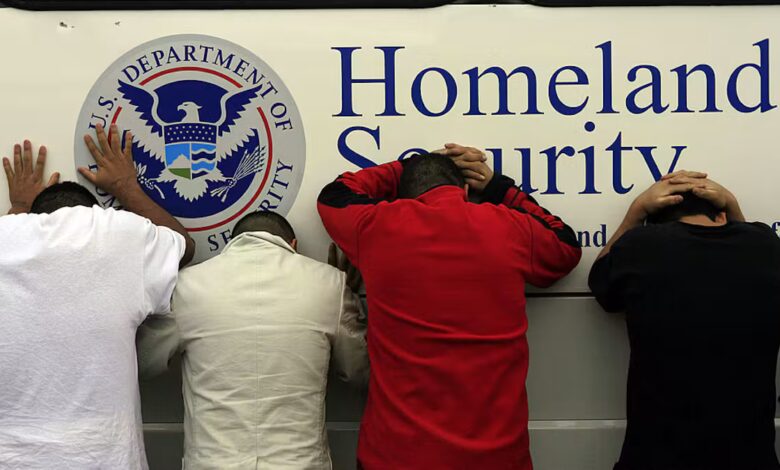
A recent television segment focusing on the deportation of a long-term noncitizen has reignited national discussions concerning U.S. immigration enforcement, administrative backlogs, and the editorial approach major news outlets take toward individuals facing removal orders.
The broadcast examined the case of Moussa Diawara, a Texas resident who lived in the United States for 25 years before being detained by Immigration and Customs Enforcement following an Uber shift. According to the report, Diawara spent approximately three weeks in detention prior to being placed on a flight to Ghana. An immigration judge had previously ruled that he could be removed to any country except his home nation of Mali, where he reportedly faced potential persecution.
Critics of the broadcast, however, pointed to longstanding legal records indicating that Diawara had received a final order of removal from an immigration judge in 2012. Legal documentation from that proceeding noted that the individual had previously claimed a fear of persecution related to sexual orientation in an effort to contest deportation and secure a work permit.
The segment has drawn sharp contrasts in public opinion regarding how immigration cases are presented. Proponents of strict enforcement argue that long-term noncitizens with final removal orders have had ample opportunity to pursue lawful status and that public sympathy should prioritize public safety and border sovereignty. Commentators emphasizing this perspective point to cumulative deportation figures under current federal policies, arguing that rigorous enforcement remains necessary to uphold the integrity of legal immigration channels.
Conversely, advocates and various media analysts raise concerns about the humanitarian impacts of removing individuals who have established deep community and familial ties over decades. Discussions continue to center on the operational challenges within the immigration system, the handling of third-country deportations, and the broader societal questions surrounding how enforcement actions are balanced against individual circumstances.