Journalists covering contemporary global conflict must look beyond front-line combat to investigate neglected crises, the human experiences unfolding in the background of war, and the active, expansive nature of peace. That was the central message delivered by editors and reporters during the annual Monitor Night Live public forum held last month at Principia College in Illinois.
Organized around the theme “Building a peaceful world: A job for someone else – or you?” the discussion addressed the growing strain of global instability. According to figures cited from the International Committee of the Red Cross, the world currently hosts 130 armed conflicts across 60 countries, representing the highest total recorded since the end of World War II. Panelists noted that these conflicts generate widespread devastation, including frayed alliances, shattered international norms, and ruined communities, while modern geopolitical friction increasingly encompasses trade wars, political demonization, and automated cyber conflicts.
While high-profile conflicts such as the war in Iran dominate national headlines, many other struggles remain underreported. Panelists highlighted what the Norwegian Refugee Council terms forgotten or neglected crises, pointing to ongoing fighting in the eastern Democratic Republic of Congo and the civil war in Myanmar.
Newsroom leaders emphasized that responsible reporting requires examining not only major military engagements but also the collateral human toll. In the publication’s current issue, writer Dominique Soguel explores how the war in Ukraine is disrupting agricultural production in a nation that historically fed much of Europe. Sara Miller Llana, the publication’s international editor, told the Principia College audience that reporters have a professional duty to maintain as much curiosity about individuals living in the background of war as about soldiers stationed on front lines.

Beyond documenting suffering, the forum focused on the journalistic imperative to highlight moments of peace, both inside and outside active war zones. Howard LaFranchi, the publication’s diplomatic correspondent, recounted observing individuals spreading light during difficult circumstances by creating art, rebuilding universities, and planting roses during his reporting trips to Ukraine.
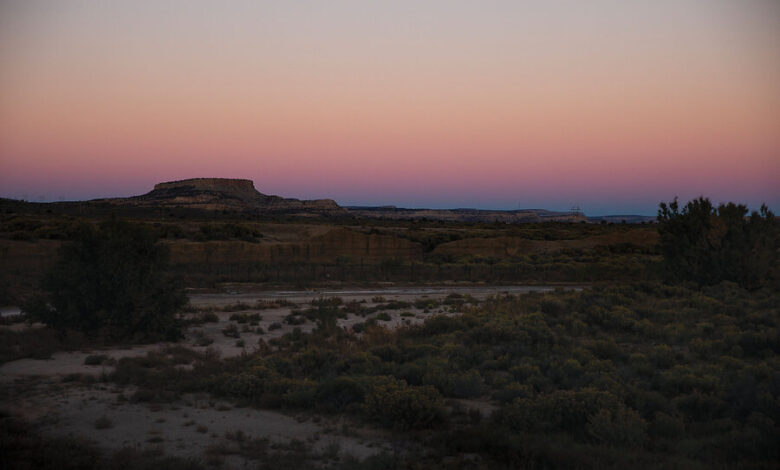
Speakers agreed that peace should not be defined merely as the absence of fighting. Instead, editors described peace as an active, expansive exercise that encompasses grassroots efforts worldwide. Examples cited include residents in New Mexico working to restore community dignity following generations of uranium extraction, and a longtime ecologist teaching urban residents how to appreciate and protect bats.

Editors noted that the durability of peace often hinges on how conflicts ultimately resolve, whether through decisive military victory or through the quieter, painstaking actions of forgiveness and reconciliation that stitch fractured societies back together.