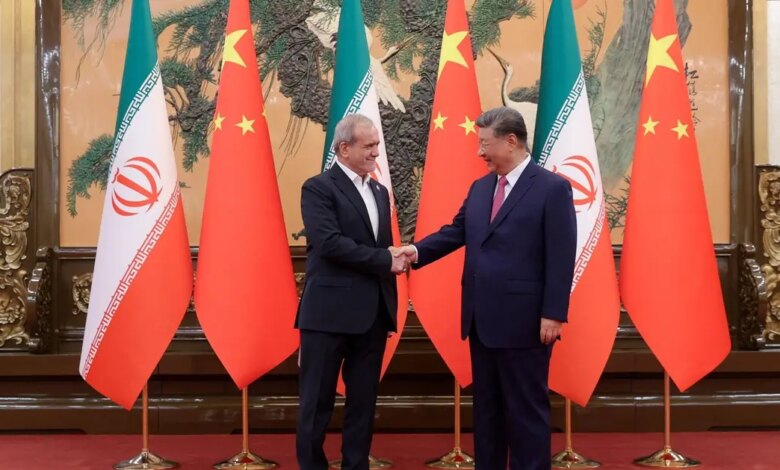
As conflict broadens across the Middle East, Beijing faces mounting diplomatic pressure to safeguard its economic and strategic ties with Gulf nations. Diplomats within China are reportedly urging leadership to prioritize relations with regional states as competition with the United States intensifies over influence in the strategically vital area.
As the world’s second-largest economy, China relies heavily on crude oil imports from the Gulf, a dependency that includes supplies originating from Iran. This economic necessity has forced Beijing into a calculated position of neutrality, carefully managing its diplomatic engagements to ensure the uninterrupted flow of energy resources into the country.
At the same time, regional security challenges are straining this balancing act. China has expressed acute concern over threats to international shipping lanes through the Bab el-Mandeb Strait, where Yemen’s Iran-backed Houthi movement has targeted commercial vessels. While Beijing officially supports Yemen’s internationally recognized government and maintains a military presence—including conducting naval exercises from its overseas base in Djibouti—reports indicate that weapons containing Chinese components have surfaced among Houthi arsenals.
The widening scope of hostilities is making Beijing’s diplomatic tightrope walk increasingly difficult to maintain. According to recent reports, Chinese officials have exerted direct pressure on Tehran to restrain the actions of the Houthis. Successfully compelling restraint could bolster Beijing’s standing as a reliable partner to Gulf states, even as it continues to navigate complex commercial and political ties with Iran.