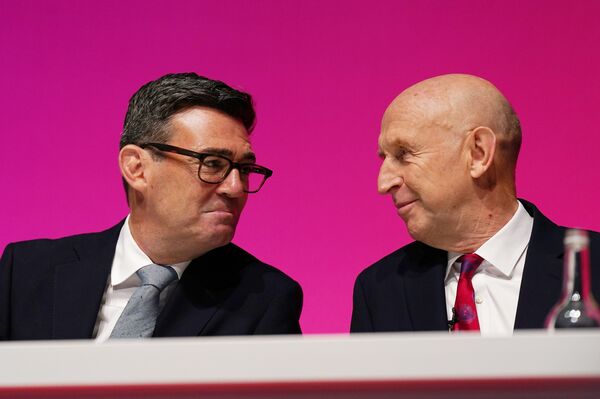
British Chancellor of the Exchequer John Healey is scheduled to deliver his first budget on Wednesday, a pivotal moment for a government struggling to manage ballooning debt and a tax code that has become increasingly fragmented. The fiscal statement comes at a time when the nation’s financial credibility is under intense scrutiny from international markets, with borrowing costs reaching levels not seen in decades.
Recent fiscal data underscores the scale of the challenge facing the Treasury. From April to September, government borrowing reached £97.8 billion ($116.8 billion), a figure that exceeded the Office for Budget Responsibility’s (OBR) forecast by £6 billion. Perhaps more concerning for long-term fiscal health is the rising cost of servicing existing debt; interest payments over that same six-month window totaled £60.8 billion. These rising costs have already significantly eroded the “headroom” inherited from the previous administration.
Financial markets have reacted sharply to Britain’s fiscal trajectory. Earlier this month, the yield on 30-year gilts climbed above 6%, marking the highest borrowing costs for the British government since 1998 and the highest currently seen among Group of Seven (G7) nations. Given these pressing needs, including a substantial funding gap for the military, Healey faces the difficult task of stabilizing public finances without stifling growth.
One of the most significant pressures on the public purse involves the rising cost of health and disability benefits for working-age citizens. Spending in this category has increased by more than 50% since the start of the Covid-19 pandemic and is projected to continue its upward trend. While the government is awaiting the results of two formal reviews due this autumn, Healey is under pressure to signal a move toward more rigorous assessments of incapacity and stronger incentives for individuals to return to the workforce.
Beyond spending, the Chancellor faces calls to overhaul a tax system that critics say is riddled with complexity and perverse incentives. Over decades, successive governments have added various carve-outs and relief measures that have created significant administrative burdens. For instance, current value-added tax (VAT) rules apply a 20% rate to chocolate-covered biscuits while leaving most other biscuits tax-free. Similarly, hot takeout meals are generally taxed at 20% while cold alternatives are often exempt.
The complexity of the system also creates high-cost “cliffs” for taxpayers. Under current policy, a parent earning just £1 over the £100,000 threshold can see thousands of pounds in childcare benefits eliminated, effectively penalizing career progression. Reforming property taxes is another area of potential focus; the existing stamp duty on property transactions is seen by some as a barrier to labor mobility. One proposed alternative involves reforming council taxes, which in England are still based on property valuations from 1991.
On the revenue side, Healey must find ways to fund essential services in a more dangerous global environment. While the government previously pledged not to raise main taxes, some analysts suggest that a 1-percentage-point increase in all income tax rates could generate approximately £11 billion annually by the 2029-30 fiscal year. This revenue would be sufficient to cover the current defense spending deficit while providing additional fiscal flexibility.
The budget on Wednesday will likely be judged by Healey’s willingness to address these structural spending issues and simplify the national accounts. As borrowing costs remain high, the primary goal of this first fiscal statement is to leave the British economy better prepared for the next economic crisis.