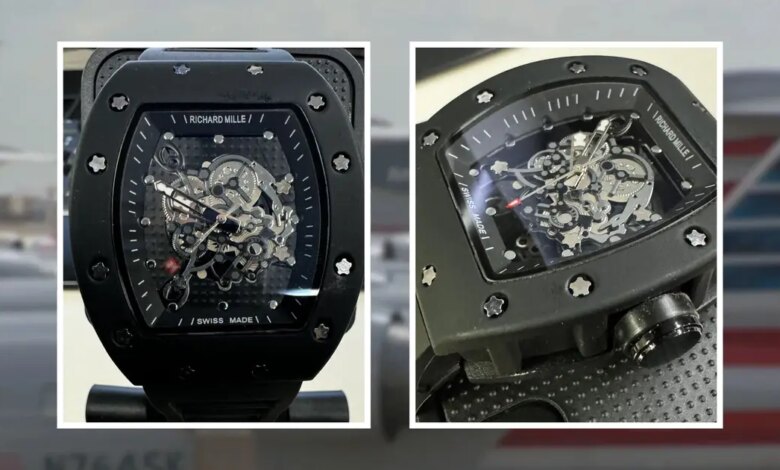
U.S. Customs and Border Protection (CBP) officers at Dallas-Fort Worth International Airport (DFW) have intercepted a shipment of counterfeit luxury watches that would have commanded a staggering market value if genuine. The seizure, involving 11 high-end imitations of Richard Mille timepieces, underscores the ongoing challenge of transnational illicit trade flowing through major U.S. transit hubs.
The shipment originated in China and was destined for several different locations across the southeastern United States. The discrepancy between the high-value brand and the shipping details triggered an inspection by federal authorities. Following the initial discovery, trade experts from CBP’s Center of Excellence and Expertise were brought in to examine the items. Following a detailed assessment, the specialists confirmed that the watches were sophisticated fakes, featuring counterfeit versions of registered trademarks.
Had the watches been authentic, federal officials estimate their total suggested retail price would have reached $2.6 million. Richard Mille is a Swiss luxury watchmaker known for highly technical, avant-garde pieces that often retail in the six-figure or even seven-figure range, making them a frequent target for counterfeiters attempting to capitalize on the brand’s exclusivity.
CBP Area Port Director Jayson Ahern highlighted the broader implications of such seizures, noting that the trade in counterfeit goods is rarely a victimless or isolated crime. “The sale of fake goods often funds criminal organizations involved in money laundering, drug trafficking, and other illicit trade,” Ahern said. He emphasized that CBP officers serve as a primary defense against defrauders while protecting the economic interests of legitimate American businesses that are frequently harmed by these operations.
While luxury watches represent a significant financial loss for trademark holders and a deception for consumers, federal officials warned that the counterfeit market extends into high-risk categories that pose direct physical threats. High-risk items frequently intercepted by customs include counterfeit medications, children’s toys, automotive parts, and cosmetics. Unlike genuine products, these fakes do not undergo rigorous safety testing and may contain hazardous materials or fail at critical moments, posing major health and safety risks.
Authorities have not released the identities of the individuals or entities involved in the shipment, and the investigation into the origins and intended recipients remains an active matter. The seizure at DFW is part of a broader federal effort to curb the flow of illegitimate sales, which officials describe as some of the most profitable transnational crimes in existence today.
To help consumers avoid falling victim to such schemes, CBP has shared several guidelines for safe shopping. Officials advise purchasing goods directly from the trademark holder or from authorized retailers. When shopping through online marketplaces, consumers are encouraged to read seller reviews and verify the existence of a working U.S. phone number and a physical address for contact. Federal guidelines also remind the public that if the price of a product seems too good to be true, it is almost certainly a counterfeit.