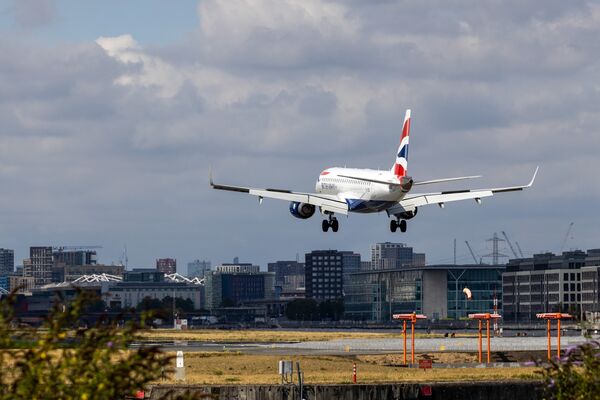
British Airways is set to increase the spending requirements for frequent flyers seeking to obtain or maintain elite status within its loyalty program. The airline, owned by IAG SA, notified customers this week of upcoming changes to its Executive Club tier thresholds, marking the latest evolution in a multi-year effort to restructure its frequent flyer benefits.
Starting in April 2027, the requirements for the airline’s most prestigious tiers will see a notable uptick. Frequent flyers aiming for Gold membership will be required to earn 21,000 tier points, representing a 5% increase over current levels. Silver members will also face higher hurdles, with the threshold rising from 7,500 points to 8,000 points. Beyond the headline threshold increases, the airline indicated that it will also modify how extra tier points are accumulated across specific ticket types and cabin classes.
In an official communication, a spokesperson for British Airways explained that the adjustments are a response to the rapid growth of the loyalty program over the last 18 months. As more travelers have successfully achieved elite status, the airline is updating its thresholds to ensure the benefits associated with each tier remain exclusive and represent a high-quality experience for its most frequent customers.
This latest adjustment follows a major overhaul of the British Airways loyalty program initiated in late 2024. During that revamp, the airline shifted its tier point accumulation model from one based on distance flown to one primarily tied to the amount of money spent on tickets. That transition was met with significant pushback from long-time customers who argued that the spend-based system would make it substantially more difficult for traditional frequent flyers to maintain their standing.
While the airline previously made minor concessions to ease point accumulation following that initial outcry, the new threshold increases signal a firm commitment to the spend-centric model. The competitive landscape has also shifted in response; Virgin Atlantic Airways, a primary rival, has previously attempted to recruit disillusioned British Airways customers by offering status-matching incentives following earlier program changes.
The timing of these loyalty changes coincides with broader economic pressures within the aviation sector. Airlines are currently grappling with volatile fuel costs and thinning profit margins, exacerbated by ongoing regional instability in the Middle East. In response to these headwinds, major carriers including British Airways and Delta Air Lines have pivoted toward a luxury-focused strategy, expanding business-class cabins and prioritizing premium service offerings to capture higher-margin revenue from affluent travelers.