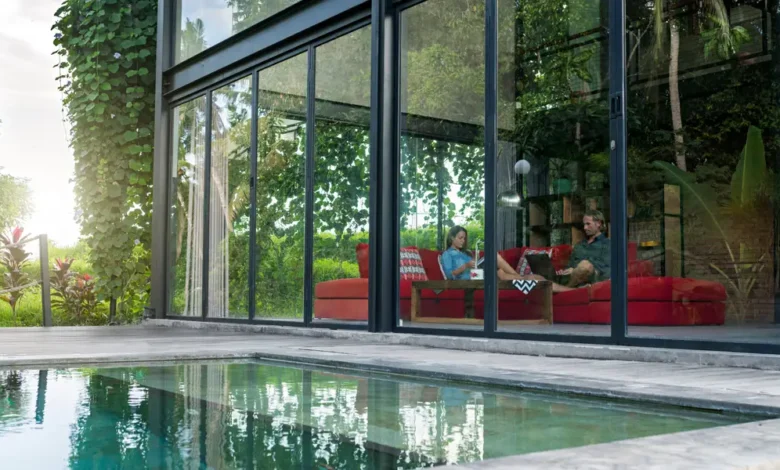
The American luxury real estate market is entering 2026 with a fundamental shift in priorities, as the ultra-wealthy move away from traditional markers of opulence in favor of “longevity real estate.” Driven by a growing national focus on health and wellness, affluent buyers are increasingly transforming their primary residences into comprehensive wellness hubs designed to support them throughout their later years.
Data from a global luxury real estate network indicates that high-net-worth individuals are now far less likely to consider downsizing or moving into specialized senior housing facilities. Instead, they are opting for properties that can be adapted to accommodate aging in place. A recent survey of real estate professionals found that nearly 40% of respondents identified aging in place as a top priority for their clients, a trend that is effectively slowing the typical cycle of home inventory as owners hold onto their properties longer.
This desire to remain at home is reshaping everything from architectural design to neighborhood selection. Tammy Fahmi, senior vice president of global servicing and strategy at Sotheby’s International Realty, noted in a recent report that increasing life expectancy and the desire for long-term residency are fundamentally altering how inventory circulates in prime markets. As buyers look for homes that support a high quality of life indefinitely, the demand for specialized internal environments has skyrocketed.
The 2026 luxury buyer is seeking medical-grade installations and spa-like amenities that were once the exclusive domain of commercial retreats. High-demand features now include dedicated spaces for saunas, cold plunge pools, and red-light therapy systems. Furthermore, internal environmental controls have transitioned from luxury upgrades to baseline requirements, with buyers increasingly insisting on advanced air and water filtration systems as a means of proactive health management.
Beyond the physical structure of the home, location choices are being driven by proximity to the outdoors. Direct access to hiking and walking trails is a top-tier priority, reflecting a broader trend of integrating daily movement and nature into the luxury lifestyle. For those at the highest end of the market, the home is also becoming a center for personalized care. There is a growing interest in properties that can accommodate live-in wellness or medical staff, as well as residences equipped with integrated health-monitoring technology to track vital statistics in real time.