WNBA Finals Anthem Controversy Highlights League’s Continued Struggles for Mainstream Attention

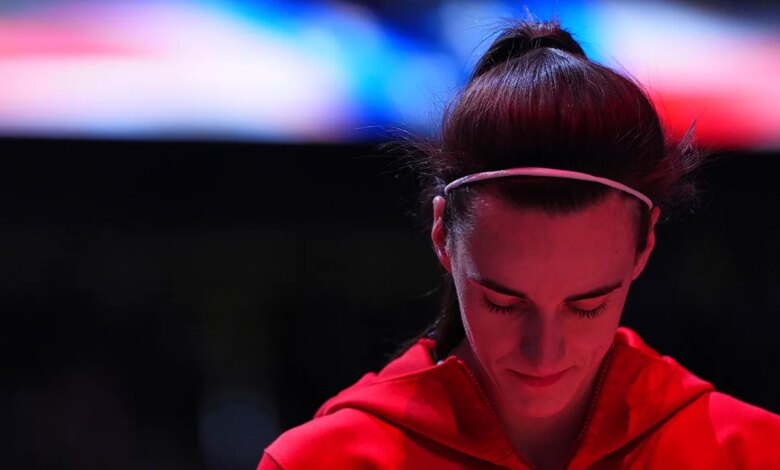
A bizarre national anthem routine practiced by two WNBA Finals teams throughout the season has brought renewed attention to the league’s ongoing struggle for mainstream visibility outside of its biggest stars. Players and coaches from both the Atlanta Dream and the Golden State Valkyries have consistently left the court before the Star-Spangled Banner is played, returning to the floor only after the song concludes. Despite league rules requiring players to stand and line up for the anthem, neither team has publicly explained the routine or disclosed what participants do during the approximately 90-second absence.
While a similar demonstration by an NFL or NBA team during a regular-season game would typically ignite nationwide debate, media commentary, and activist mobilization, the WNBA teams’ practice went virtually unnoticed until the championship series. The muted public reaction underscores a stark disparity in viewer engagement when top-tier drawing cards are absent from the postseason.
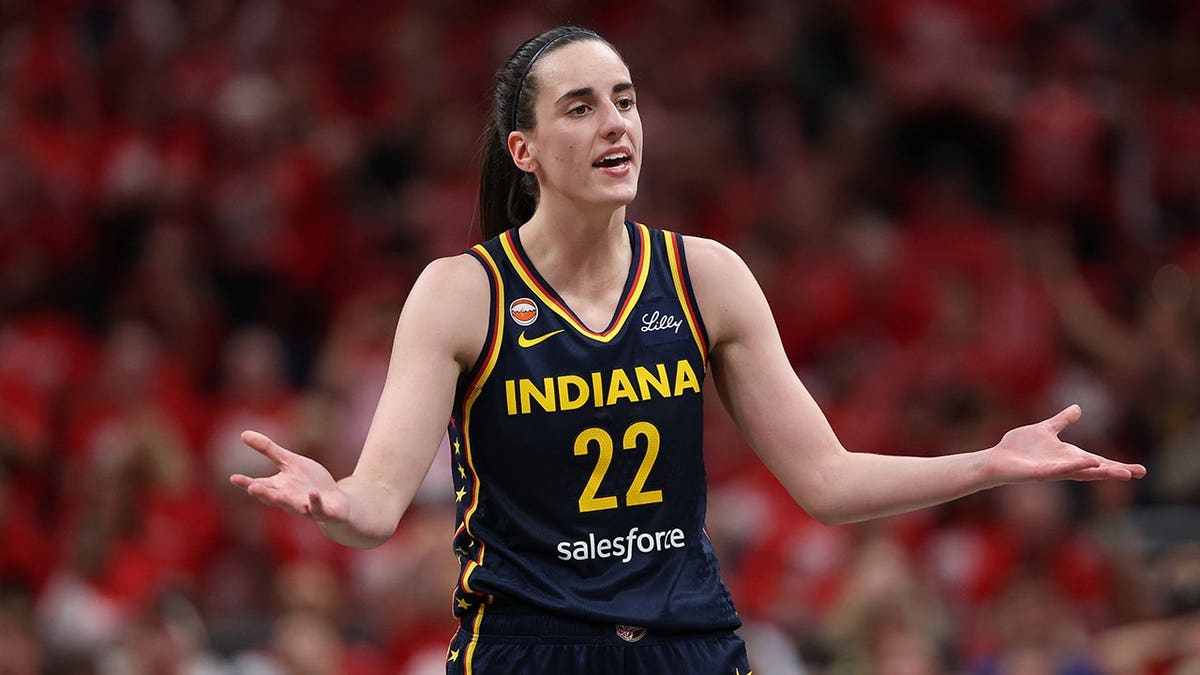
League viewership and national attention have frequently centered around star guards such as Caitlin Clark, whose presence has driven millions of new viewers and major endorsement deals. In contrast, games without marquee figures often struggle to capture broader public notice. This dynamic was further highlighted by the scheduling of Game 6 of the WNBA Finals, set for a 12:30 p.m. Eastern time slot on a Thursday.
The midday weekday scheduling was necessitated by a venue shift requested by the Dream, moving the contest from the 3,500-capacity Gateway Center Arena to the 17,000-seat State Farm Arena. Because the NBA’s Atlanta Hawks share the same venue and schedule that day, the championship game was pushed into a window when the vast majority of American sports fans are at work or in school.
The combination of an unaddressed league-rule omission during the championship series and a midday weekday time slot for a potential elimination game points to a broader reality for the organization. While teams like the Dream and the Valkyries feature prominent players such as Angel Reese and Gabby Williams, the broader sports-viewing public remains largely disengaged when the league’s primary commercial needle-movers are not involved.