A 4th District Court judge in Provo, Utah, took additional time on Friday to consider the trial schedule for Tyler James Robinson, the 23-year-old accused of fatally shooting conservative commentator Charlie Kirk at Utah Valley University. While Judge Tony Graf had originally intended to issue a scheduling order during the hearing, he cited a complex array of “data points” and legal requirements that led him to defer a final ruling until at least November 9.
The scheduling dispute centers on vastly different timelines proposed by the defense, the prosecution, and the victim’s family. Robinson, who is facing the death penalty, is charged with aggravated murder and six other counts stemming from the September 10, 2025, shooting that occurred during a Turning Point USA rally on the university campus.
During the three-hour hearing on Friday, Robinson’s defense team argued that they require three years of preparation to ensure a fair trial, suggesting a start date in the third quarter of 2029. Defense attorney Staci Visser characterized the 2029 target as a “soft trial date,” warning that moving too quickly in a capital case could lead to procedural errors and eventual retrials.
“The reality is that rushing to trial does not lead to closure… it leads to mistakes,” Visser told the court. She detailed the massive scale of the discovery process, noting that the defense has received approximately 31,000 pieces of evidence and 8 million digital artifacts or files. Visser estimated that the defense is only 25% of the way through reviewing these materials and will need at least another nine to 12 months just to complete the initial review. She emphasized the need for a “village” of qualified individuals to assist in the defense of a death penalty case.
In contrast, the Utah County Attorney’s Office proposed a trial start date of January 31, 2028. Deputy Utah County attorney Chad Grunander argued for dates that are “as firm as possible” to aid in logistical preparation. Prosecutors estimated the trial would last roughly 17 weeks, while the defense projected a seven-month proceeding.
Deputy Utah County attorney Ryan McBride addressed the defense’s discovery concerns, clarifying that many of the 8 million files are one- or two-page PDF documents, including numerous reports from public tips that were ultimately found to have no merit. He noted that the state has outsourced digital forensics to expedite the process and has already provided the bulk of the evidence to the defense.
Erika Kirk, the widow of Charlie Kirk, has filed a motion seeking a significantly faster timeline, requesting that the trial begin in early 2027. Her attorney, Jeffrey Adam Nieman, delivered an emotional plea to the court, stating that the continued delay adds to the family’s grief and anxiety. He noted that Kirk’s children, who were ages 1 and 3 at the time of the shooting, will soon have spent more time waiting for the trial than they spent with their father.
“This case should be a priority for everyone involved. The Kirk family deserves that,” Nieman said. “If you set [the trial date], it will happen. Set it, please.”
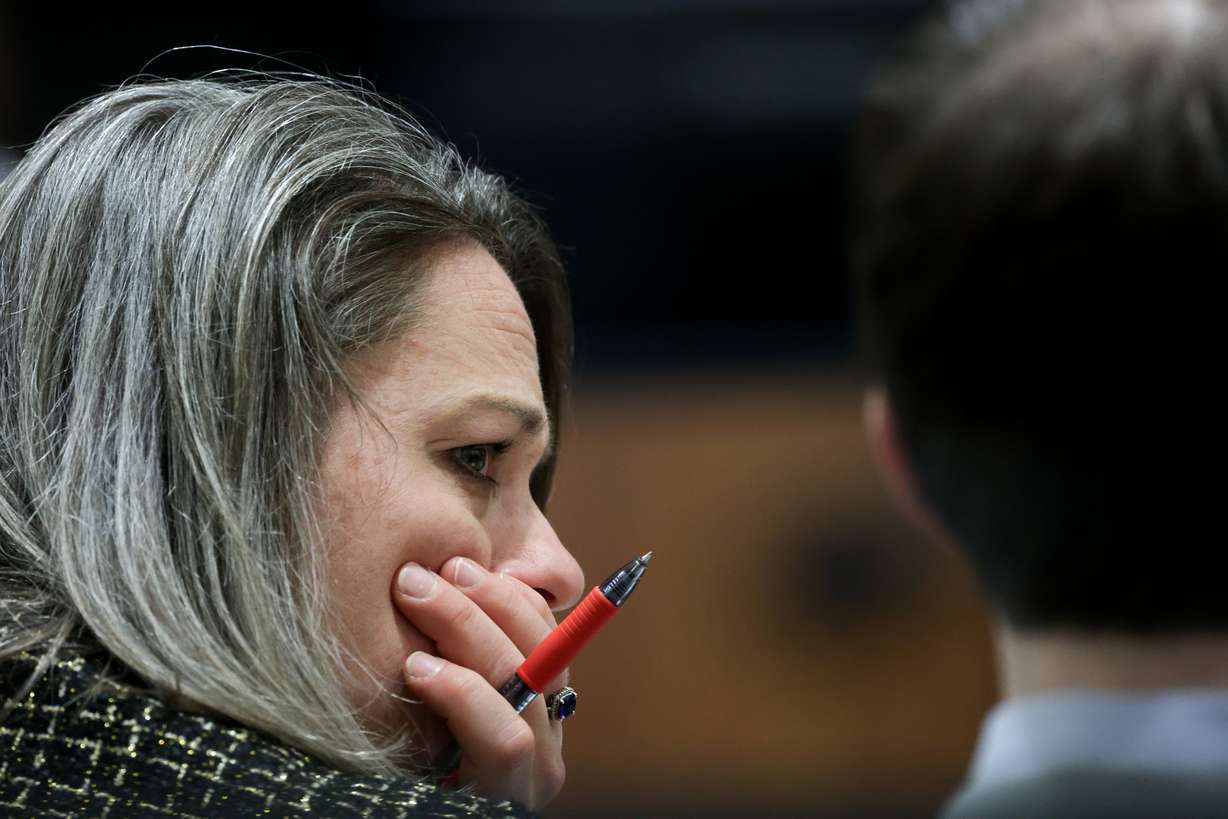
The complexity of the case was further illustrated by the logistics of jury selection. Both sides indicated they plan to send questionnaires to 3,000 potential jurors to find an impartial panel, a number that attorneys noted was unprecedented in their experience. Defense attorney Kathryn Nester also pointed out that motions regarding a potential change of venue could take five to six months to resolve and should be handled closer to the actual trial date.
Legal arguments also touched on the standard of “heightened scrutiny” and “heightened reliability” required in death penalty cases. While the defense argued these standards necessitate more time and resources, deputy Utah County attorney Chris Ballard countered that while legal precedent requires reliability at certain stages, it does not entitle the defense to different rules or altered due process standards.
Judge Graf expressed concern regarding the speedy trial rights of both the defendant and the interests of the Kirk family. He noted that if trial dates are not set soon, other cases will take priority on the court’s calendar. However, he remained cautious about setting an “impossible” schedule.
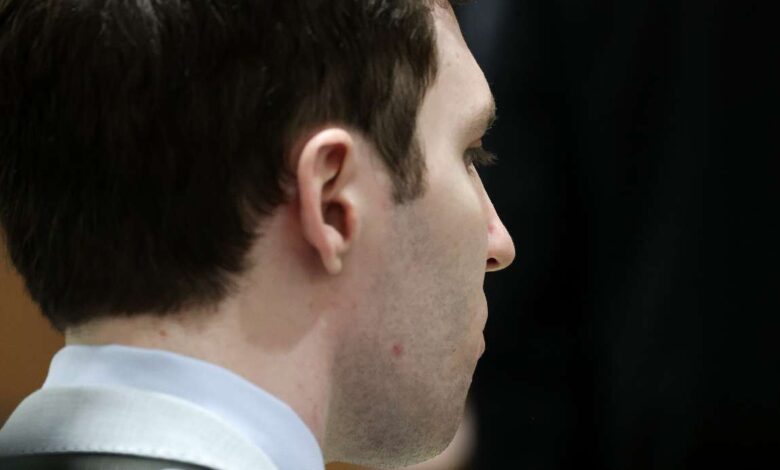
Robinson appeared in court on Friday wearing a grey suit and tie. His parents were present in the front row of the gallery. The judge is expected to provide more information on the case’s trajectory during the next hearing on November 9, though he stopped short of promising that specific trial dates would be finalized at that time.