Aleksandar Vucic Concedes Defeat in Serbia Election as Student Movement Claims Historic Victory


Serbia has entered a new political era after longtime leader Aleksandar Vucic conceded defeat to a historic student-led protest movement in a snap parliamentary election. The outcome brings a sudden and definitive end to Vucic’s extended grip on political power in the Balkan nation, sending waves of ecstatic celebration through the streets of the capital.
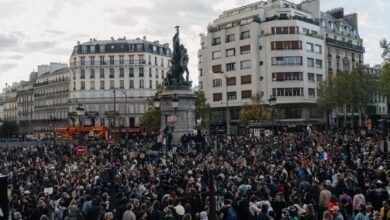
As the election results became clear on Sunday night, the streets of Belgrade erupted in jubilation. Drivers leaned on their car horns in endless streams of traffic, while crowds of students gathered to chant slogans of “victory” and declare that the incumbent leadership was finished.
“Unbelievable happiness and joy and we have finally got rid of this mafia. I am so happy I cannot speak,” said a resident named Tanja, capturing the emotional atmosphere as she celebrated outdoors in Belgrade.
The snap elections were the culmination of nearly two years of sustained, student-driven demonstrations against perceived government corruption and creeping authoritarianism. The mass mobilization was initially triggered by a profound national tragedy in 2024, when a concrete station canopy collapsed at a railway facility in Novi Sad, resulting in the deaths of 16 people and sparking intense public outrage over systemic neglect and safety standards.
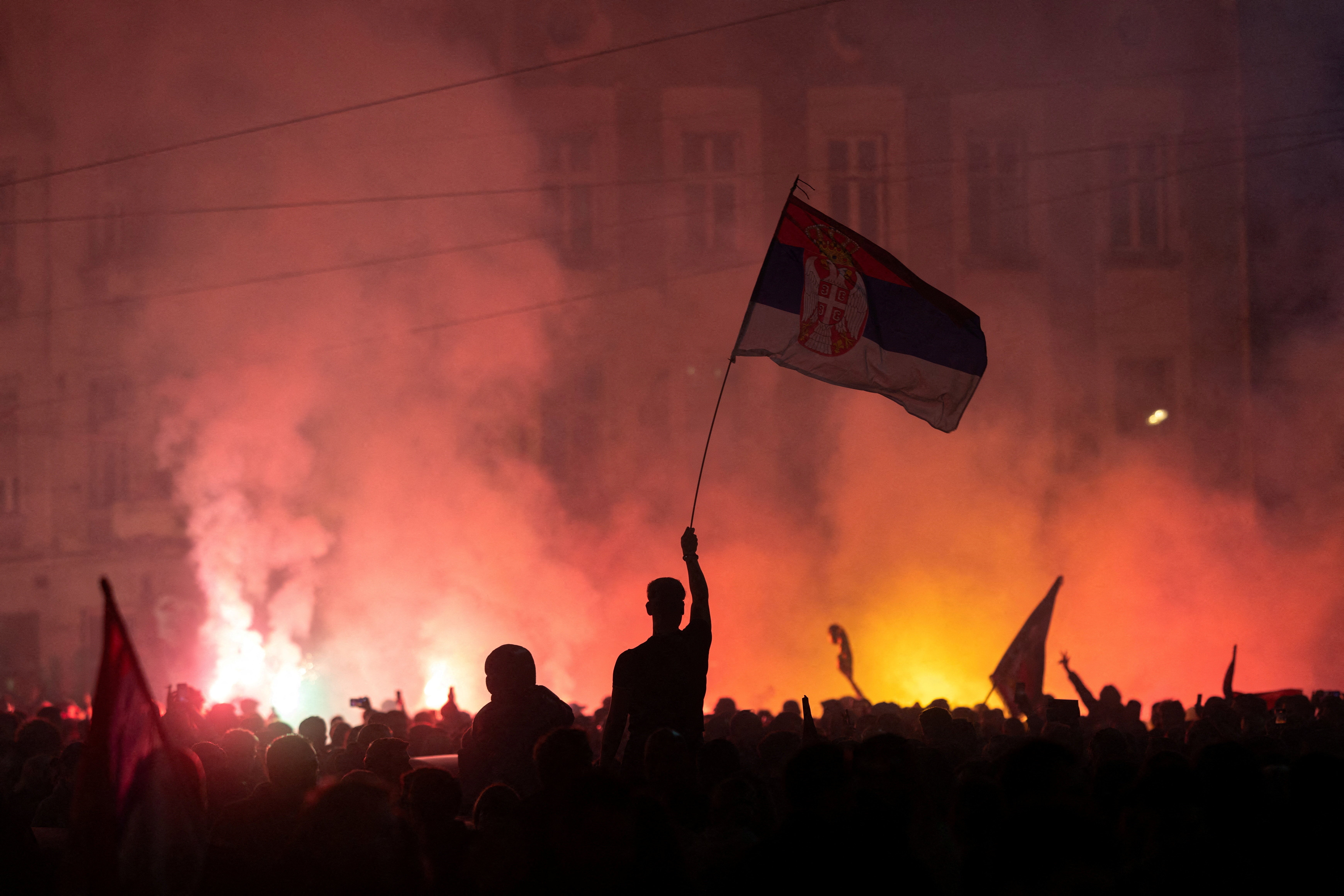
Voter turnout for Sunday’s ballot surged to nearly 70 percent, marking the highest level of electoral participation recorded in Serbia since the breakup of Yugoslavia in 1992. Throughout towns and cities across the country, long queues snaked from polling stations from early morning until closing, reflecting a deep and widespread public appetite for political transformation.
Preliminary vote projections indicated a decisive margin for the opposition coalition. Vucic himself acknowledged the outcome during a public address, conceding that his party had fallen short.
“It is clear that we have lost these elections, the Student List has won, they will have between 135 and 140 seats and we will have 105, no one else has entered parliament,” Vucic stated, outlining the projected seat distribution based on early returns.
Independent monitoring data corroborated the shift in parliamentary power. A representative sample of results released by pollsters CESID-IPSPS showed the student candidate list securing 138 deputies in the 250-seat national assembly. Meanwhile, Vucic’s Serbian Progressive Party (SNS) was projected to win 104 seats, with the remaining balance of the legislature distributed among ethnic national minority parties.

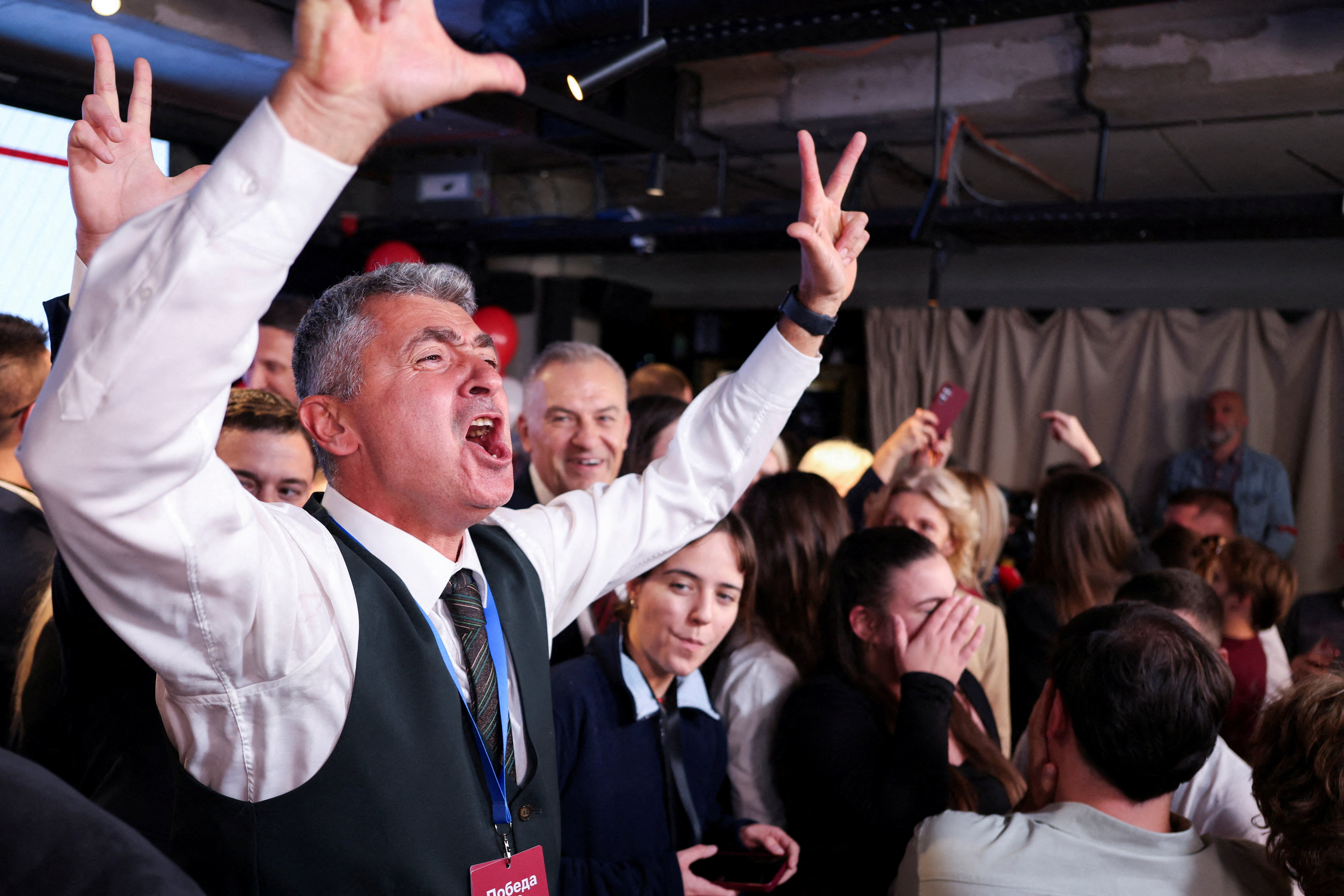
Speaking to supporters from the movement’s campaign headquarters, representatives emphasized the transition from resistance to governance. Radomir Sajcic, a professor at Belgrade University who addressed the public on behalf of the students, marked the turning point for the country.
“Dear Serbia, tonight the voice of the people is being heard,” Sajcic told the cheering headquarters crowd. “Tonight we celebrate victory, tomorrow we build the future.”