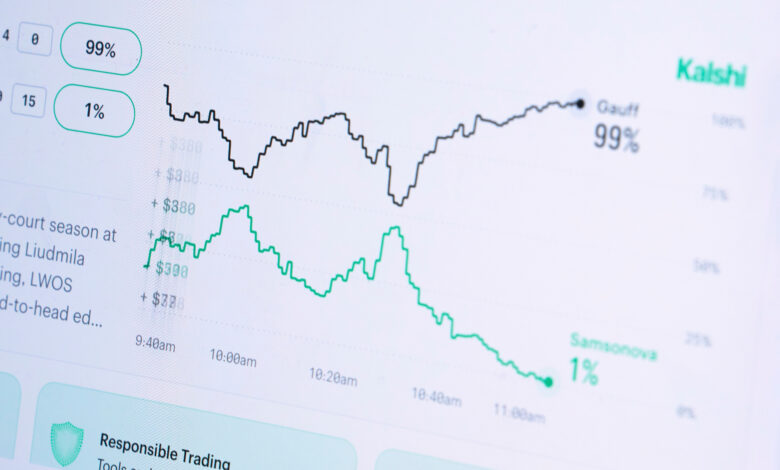
The upcoming midterm elections are emerging as a pivotal crossroads for the burgeoning prediction market industry, as platforms seek to establish themselves as the definitive “truth machines” for political forecasting. With hundreds of millions of dollars being wagered on the outcomes of House, Senate, and gubernatorial races across the country, industry leaders argue that these markets offer a more accurate reflection of voter sentiment than traditional public opinion polling.
The 2026 midterms mark the first major election cycle where these markets have been fully integrated into the national political conversation. Tarek Mansour, the CEO of Kalshi, characterized the moment as the first true “prediction-market election.” He suggested that the markets offer a more democratic alternative to traditional analysis by allowing the collective intelligence of the public to speak through their financial decisions. This shift comes at a time when the political class remains deeply skeptical of traditional polling following several high-profile failures over the last decade.
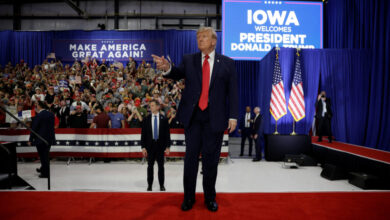
The industry gained significant momentum following the 2024 presidential election. Just weeks before that contest, certain platforms were legally cleared to begin offering wagers on U.S. elections. While many traditional polls framed the 2024 race as a persistent toss-up, prediction markets were among the first to signal Donald Trump’s eventual return to the White House on election night. That early and accurate call catapulted the industry into the financial spotlight, attracting backing from major Silicon Valley investors and Wall Street heavyweights.
However, the rise of these platforms has sparked a fierce debate among political professionals. Supporters, including veteran political commentators and former news directors, argue that a sufficiently large crowd will inevitably be smarter about politics than analysts trying to project vote counts before the tally is complete. They contend that the speed at which markets can process news and filter out superficial data gives them a distinct advantage over the statistical science of polling.
Critics, on the other hand, remain unconvinced. Some Republican pollsters have dismissed the phenomenon as a system that operates on “vibes” rather than the statistical rigor required to talk directly to voters. There is a persistent divide over whether these platforms represent the next frontier of financial exchanges or if they are simply sophisticated gambling outlets. The involvement of high-profile political figures, such as Donald Trump Jr., who serves as an adviser to Kalshi, has further intensified the scrutiny surrounding the sector’s objectivity.
As the elections approach next Tuesday, both the prediction markets and traditional polls appear to be in rare alignment, with both currently pointing toward significant Democratic gains. This consensus creates a unique risk for the market platforms. If a decisive “blue wave” fails to materialize, the prediction markets could see their hard-won credibility suffer alongside the very pollsters they aim to replace.
John Phillips, CEO of Aristotle, which operates the political market PredictIt, noted that while the markets are often unfairly compared to polls, their reputation is constantly at stake. The fundamental question following the election will be whether these platforms are viewed as a necessary, permanent staple of the political landscape or if they are dismissed as a fleeting trend in high-stakes betting. For an industry that has built its brand on being more truthful than the status quo, the accuracy of its midterms forecast will be the ultimate proof of concept.