Indonesia Curbs Pipeline Gas Supplies to Singapore Amid Domestic Pressures and Bilateral Tensions

Indonesia has unexpectedly reduced its natural gas exports to neighboring Singapore, a move justified by Jakarta as a measure to bolster domestic energy security but which coincides with mounting diplomatic friction between the two Southeast Asian nations.
In late October, Indonesia announced an immediate reduction in piped natural gas sent to Singapore by approximately 31 million standard cubic feet per day. According to calculations based on Indonesian government data, the cut accounts for about 14% of Indonesia’s average daily pipeline-gas exports to Singapore recorded in 2025. It remains unclear how long the supply restriction will remain in place.
Singapore relies on imported fuel for nearly all of its electricity generation, with Indonesia serving as its largest gas supplier. Under long-term contracts allowing some volume flexibility, Singaporean importers have been taking maximum available volumes to avoid higher costs associated with liquefied natural gas purchased from further afield amid elevated international prices.
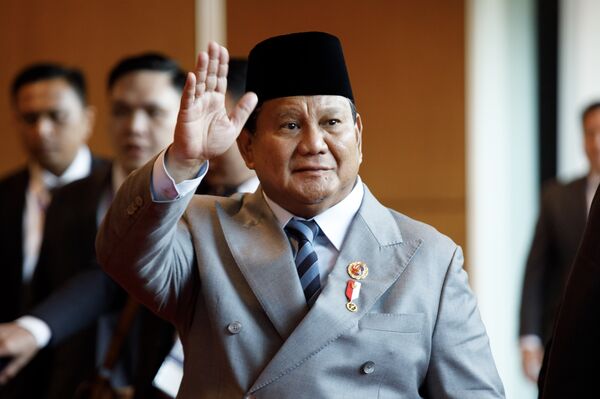
Indonesian President Prabowo Subianto’s administration stated that the diversion is intended to secure reliable domestic electricity generation as Indonesia grapples with a long-term decline in natural gas output against rising domestic demand. A similar plan to curtail pipeline exports was previously floated in April 2025. Djoko Siswanto, head of Indonesia’s upstream oil and gas regulator SKK Migas, confirmed the domestic priority.
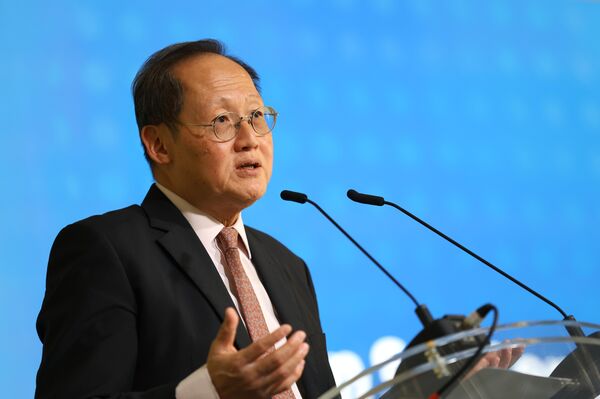
Singaporean officials have sought to reassure the public. Minister for Energy, Trade and Industry Tan See Leng urged citizens to remain calm, stating that energy security remains a top priority. Because Singapore imports more than a billion cubic feet of natural gas daily, the Indonesian reduction amounts to about 2% of the city-state’s total daily gas demand. Electricity prices have remained broadly stable since the announcement.
Prime Minister Lawrence Wong stated a day after the curbs were announced that he expected existing energy agreements to be honored. The Energy Market Authority noted that Singaporean gas importers are pursuing contractual remedies, while Indonesia maintains that the reduction is permissible under existing terms.
Analysts note the reduction is manageable depending on its duration, though it highlights the importance of energy diversification. Warren Patterson, head of commodities strategy for ING Groep NV in Singapore, observed that the city-state has successfully diversified its energy sourcing over the years. Singapore has already managed supply disruptions this year, including liquefied natural gas delivery shifts caused by conflicts affecting Qatari exports through the Strait of Hormuz, successfully securing replacement shipments from the United States and other global suppliers.
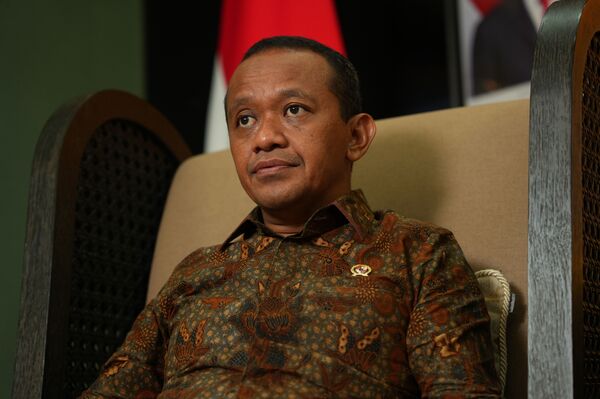
Beyond energy policy, the timing of the supply cut has drawn attention to concurrent diplomatic disputes. Tensions escalated after Singapore began investigating agricultural fires in Indonesia that caused smog over the city-state, targeting more than a dozen Indonesian and Singaporean firms suspected of involvement. Indonesian officials pushed back against external blame, and President Prabowo recently accused certain countries of insulting Indonesia over the issue. Energy Minister Bahlil Lahadalia made comments regarding energy exports to nations showing disrespect, though he later denied any link between the gas cuts and bilateral conflicts.
Additional friction emerged following a warning from index provider MSCI Inc. that it might reclassify Indonesia as a standalone market, which could trigger major foreign capital outflows. Former Indonesian trade minister Muhammad Lutfi alleged that Singaporean investment funds GIC Pte and Temasek Holdings Pte attempted to influence the decision, an allegation both Singaporean entities denied.
To manage the shortfall, Singapore may increase LNG imports, having already secured additional supplies from the United States this year. Over the longer term, Singapore is expanding its import infrastructure, with a second import terminal scheduled to be ready before 2030 to increase processing capacity by 50%. Furthermore, the nation plans to build five new power plants between 2026 and 2031, expanding electricity generation capacity by more than 25%.
Despite the friction, observers emphasize that diplomatic relations between Jakarta and Singapore remain fundamentally robust. Both nations are founding members of the Association of Southeast Asian Nations and maintain regular high-level exchanges, while Singapore continues to be a major source of foreign investment for Indonesian infrastructure and real estate.