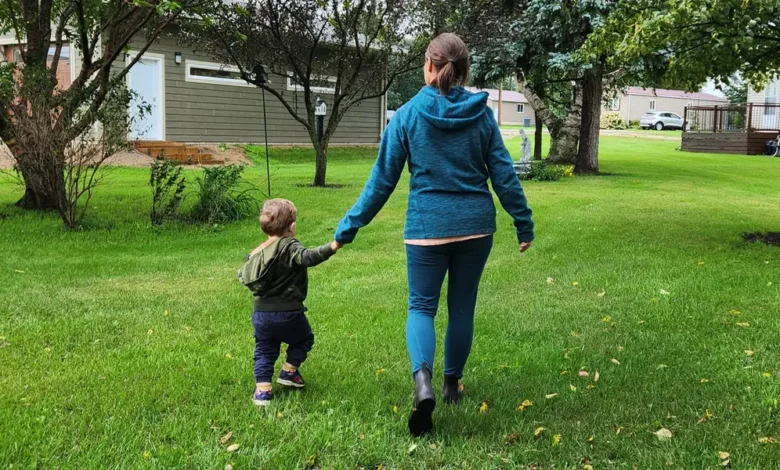
The transition into grandparenthood often serves as a mirror, reflecting both the struggles of the past and the evolving landscape of the present. For one former fifth-grade teacher and mother of three sons, the journey has been defined by a realization that the most effective way to help her adult children is not by intervening, but by mastering the art of staying quiet.
Decades ago, the author’s life was a frantic balancing act of diaper changes, feedings, and lesson planning. At the time, her household followed traditional gender roles common to her generation. While her husband worked physically demanding days outdoors on their 23-acre property and endured a long commute to provide for the family, his domestic involvement was minimal. He often returned to home-cooked meals and maintained his own social schedule, including hockey games, while the author managed the chaotic reality of raising three rambunctious boys.
The pressure to be a “perfect” mother eventually took a significant toll. Juggling professional responsibilities with the relentless needs of her children led to a diagnosis of burnout and depression, necessitating a sick leave from her teaching position. It was during this recovery period—aided by creative workshops, lifestyle changes, and part-time work—that her perspective on her own mother began to shift. She realized that her mother’s quiet, non-judgmental presence had been her greatest asset, even when she felt too proud to ask for the help she so clearly needed.
A generation later, the domestic dynamic has changed. Her sons are now parents themselves, but they occupy a vastly different space than their father did. They are more deeply involved in the day-to-day mechanics of child-rearing, taking on significant shares of meal preparation, cleaning, and direct childcare. Despite this progress, the author observes her children entering the same “survival mode” she once navigated, where the logistical demands of potty training and nap schedules consume all available mental energy.
Watching her children struggle through these growing pains is a lesson in restraint. The author has adopted a philosophy of “two ears and one mouth,” intentionally listening twice as much as she speaks. While she occasionally sees her sons and daughters-in-law doing things differently than she might have, she chooses to hold her tongue, remembering how much she valued her own mother’s refusal to pry or judge.
This new phase of life also requires a balance between family devotion and self-preservation. The author emphasizes the importance of the “oxygen mask” analogy—prioritizing one’s own well-being to remain a capable and healthy resource for others. By being kind to herself and maintaining her own identity, she hopes to serve as an honest role model for her children as they navigate their own journeys through parenthood. Ultimately, she has moved from a role of hand-holding to one of standing by their side, offering a steady, silent presence as they learn to manage their own challenges.