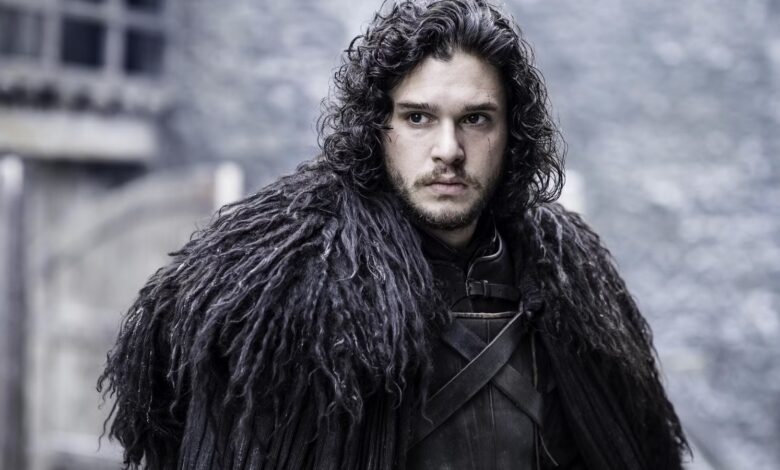
For fans of George R.R. Martin’s “Game of Thrones,” the search for a narrative that captures the same blend of brutal political maneuvering, deep worldbuilding, and the genuine threat of character death has often led to frustration. While big-budget adaptations like “The Witcher” or “The Wheel of Time” offer spectacle, few have managed to replicate the specific, gritty tension of the warring houses of Westeros. However, a new contender has emerged from the world of digital media, offering over 100 hours of high-stakes fantasy that is currently available for free.
Critical Role, the long-running series where professional voice actors engage in tabletop role-playing games, has launched its fourth campaign, and it is quickly being recognized as a formidable alternative for those seeking mature, politically-charged storytelling. Moving away from the world of Exandria that defined its first three campaigns, the show’s current narrative is set in the desolate and dangerous world of Aramán. This new setting is defined by the aftermath of the Shapers’ War, a cataclysmic event where mortals rose up to slay the oppressive gods that once ruled over them.
This “gritty fantasy” landscape mirrors the unpredictability of Martin’s work. In Aramán, the death of the gods did not bring peace; instead, it poisoned the land and broke the fundamental laws of magic. Locations that once belonged to the Shapers’ worshippers, such as House Tachonis and Halovar, have been transformed into toxic wastelands. The collapse of divine order has also left countless souls in a state of purgatory, leading to the rise of the undead—a development that draws clear parallels to the looming threat of the White Walkers in the Game of Thrones series.
Central to the narrative is the political vacuum left by the fall of the Obridimian Empire. While a Revolutionary Council in the city of Dol-Makjar attempts to maintain order, the true power resides with the Sundered Houses. These five magical noble houses are currently vying for control over the populace through a mixture of religious influence, arcane power, and martial strength. Opposing them is a 13-player main cast portraying a group of revolutionaries dedicated to the ideal of freedom, willing to engage in the same type of spying, deception, and strategic assassination that defined the early seasons of the HBO hit.
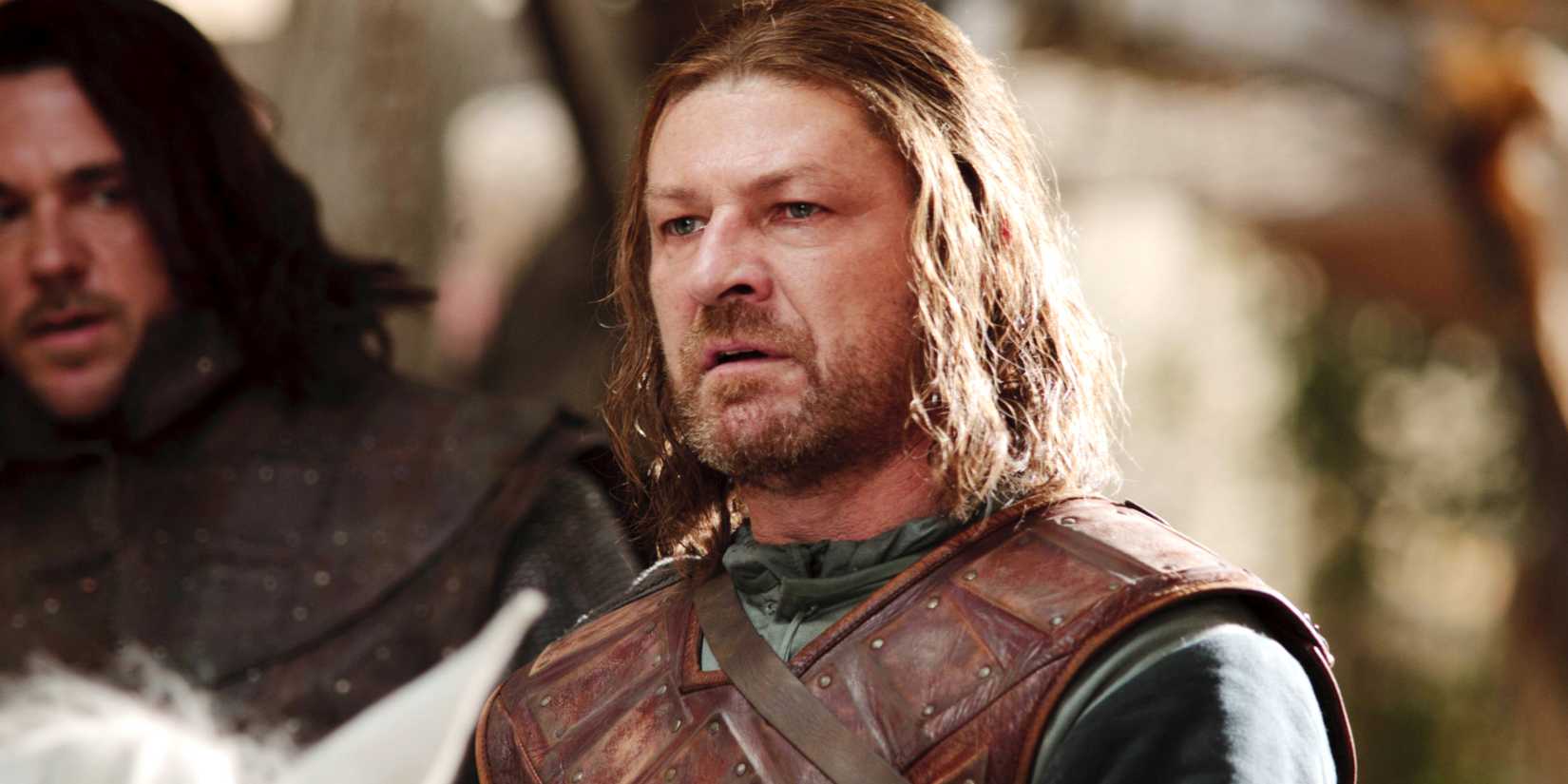
The production features a star-studded cast of voice actors, including company co-founders Matthew Mercer, Laura Bailey, Travis Willingham, Ashley Johnson, Marisha Ray, Sam Riegel, Liam O’Brien, and Taliesin Jaffe. For Campaign 4, the group is led by Dungeon Master Brennan Lee Mulligan, with a cast that includes Luis Carazo, Alexander Ward, Whitney Moore, Robbie Daymond, and Aabria Iyengar.
What sets this campaign apart from standard high fantasy is its mechanical commitment to high stakes. Unlike many fantasy settings where death is a temporary setback, Mulligan has implemented homebrewed “death-and-dying” rules that specifically prohibit resurrection magic. This ensures that every combat encounter and every failed political gambit carries the weight of permanent loss. The campaign has already seen the death of one player character, reinforcing the “Red Wedding” style of tension where no character—no matter how beloved—is safe from the consequences of the story’s dice rolls.
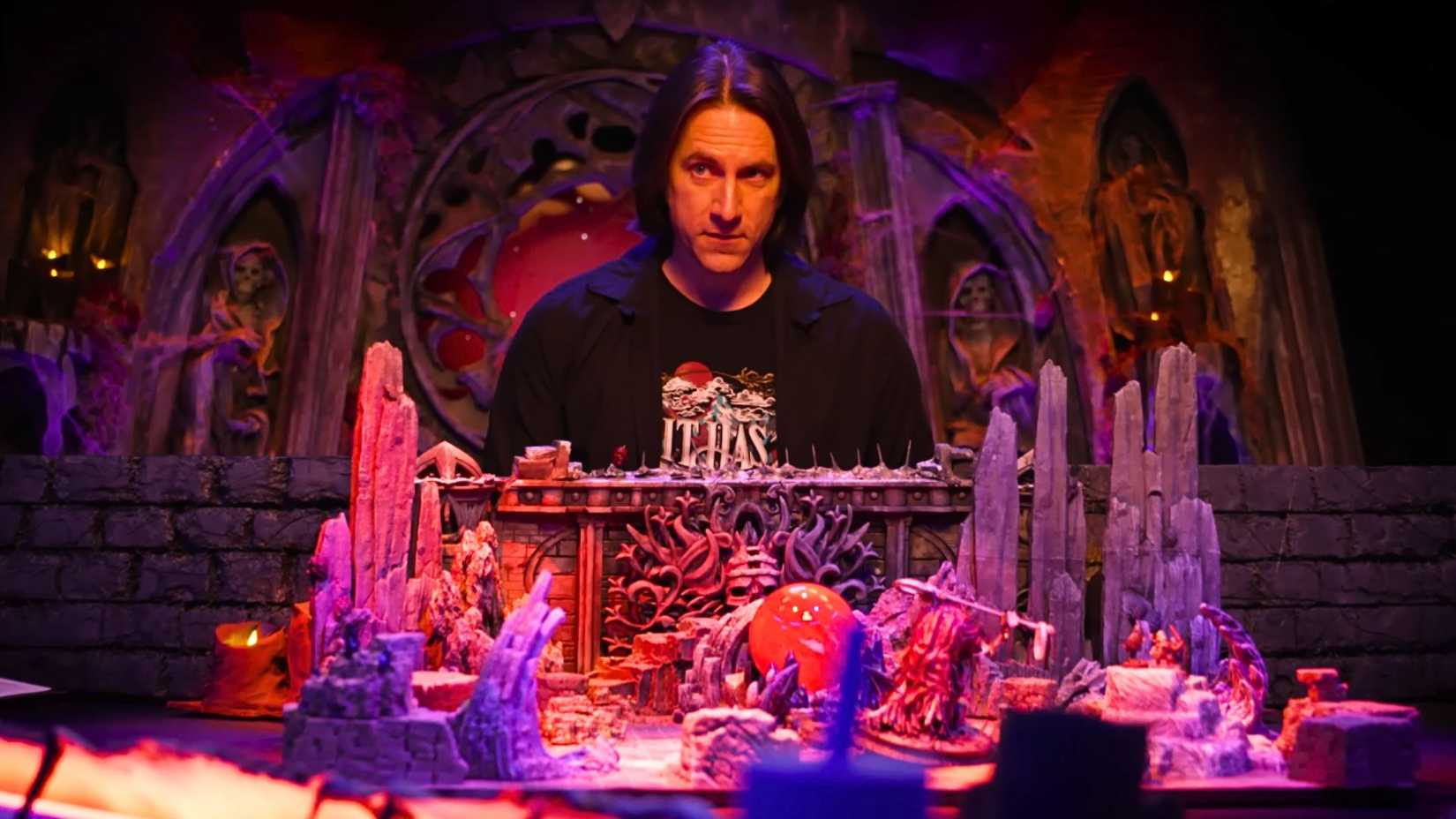
With Critical Role campaigns typically exceeding 100 episodes, Campaign 4 is currently in its early stages, making it an accessible entry point for new viewers. While traditional television offers a limited number of hours per season, the improvisational and expansive nature of this actual-play series provides a depth of character motivation and political skulduggery that rivals the most complex fantasy novels. As the revolutionaries continue their plot against the Sundered Houses, the series is proving that some of the most compelling political drama in modern fantasy isn’t happening on a traditional soundstage, but around a table in a world where the gods are dead and the rules of survival have changed.